
G98, G99 and your network operator.
What a G98 notification and a G99 application are, when each one applies to solar panels and batteries, who sends them, and what an export limit means.
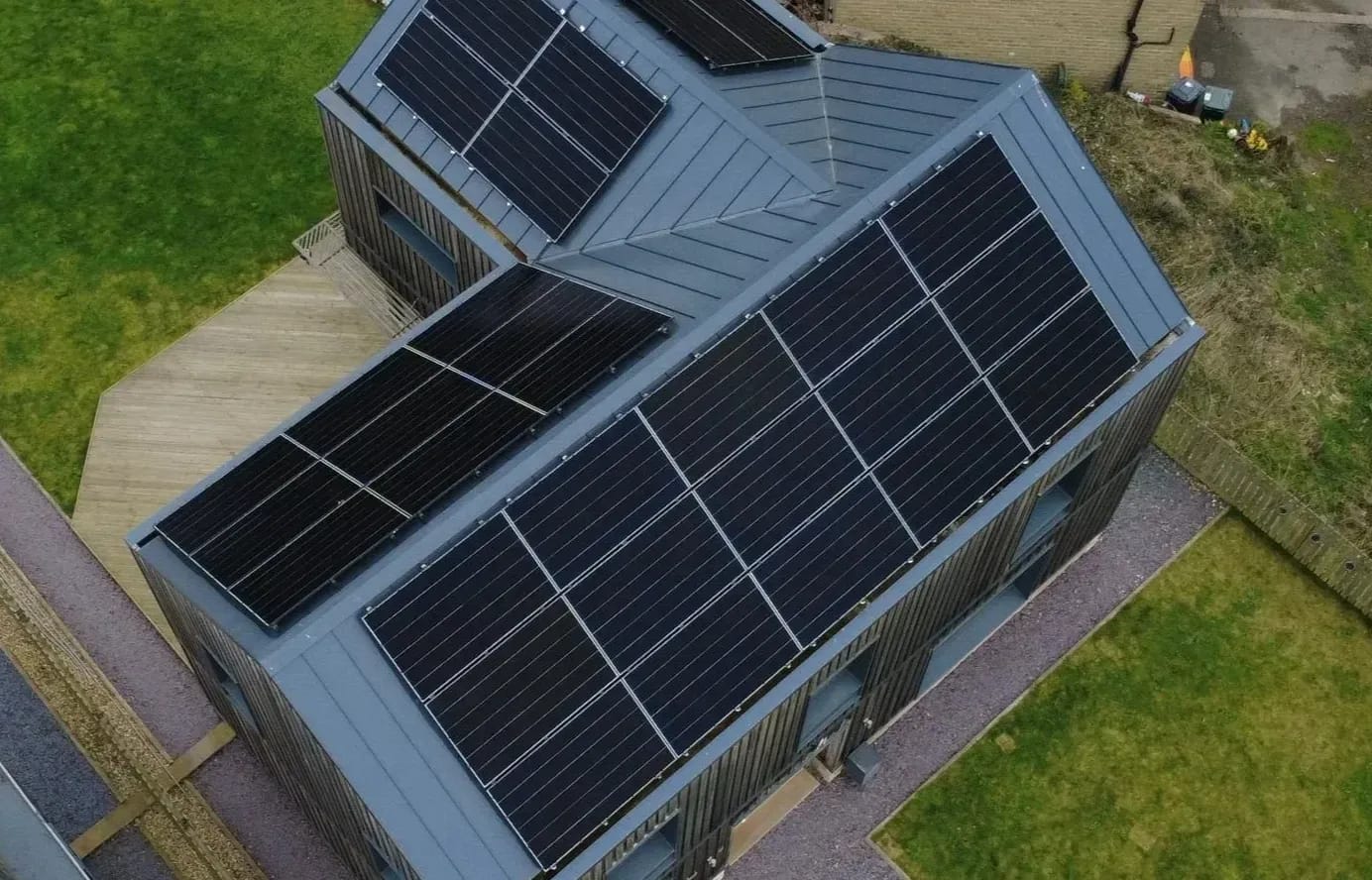
Every set of solar panels and every home battery that connects to the grid comes with a form for the local network operator. Which form depends mainly on how big the system is, and the two you’ll hear about are G98 and G99. Here’s what each one is, based on how the Energy Networks Association (ENA) describes them, and what they mean for you.
Who the network operator is
Your network operator isn’t your energy supplier. The ENA, the industry body for the networks, describes the network operator as the company that maintains the wires bringing electricity to your home. It connects homes to the network, can move your meter, and fixes power cuts that aren’t caused by a problem inside your home. Your supplier is the company you pay for the electricity itself.
SP Energy Networks, for example, describes its area as Central and Southern Scotland, North Wales, Merseyside, Cheshire and North Shropshire. If you’re not sure which company looks after your street, the ENA’s Who’s my network operator? checker will tell you from your postcode. Our pages on solar panels in Chester and Cheshire, Liverpool and the Wirral and Greater Manchester name the operator for each town we cover.
Why do they need to know about your panels? Local networks were designed for electricity flowing one way, from power stations to homes. The ENA’s connection guide lists what a lot of small generators can do to a network if nobody keeps track, including pushing the voltage beyond acceptable limits and sending power the opposite way to the one the system was designed for. It also says network operators treat storage as both demand and generation.
G98: fit, then tell them
G98 is the ENA’s standard for connecting small, fully type-tested generators, up to and including 16A per phase, to the low-voltage network your home is on. A system comes under G98 when it is:
- 16A per phase or less, counting every generator and battery at the property together
- connected at ordinary household voltage
- made of equipment that has been type tested to G98
The ENA puts the dividing line at 3.68kW per phase: below it, G98 applies; above it, G99.
The ENA sums up the G98 process as “fit and inform”. You don’t need to speak to the network operator before the system is up and running. Your installer notifies them after commissioning, and the ENA’s guide gives the deadline as 28 days, on a commissioning form that covers the generation and any storage. SP Energy Networks points out that telling them is a legal obligation under the Electricity Safety, Quality and Continuity Regulations 2002.
G99: apply, then fit
G99 is the ENA’s wider standard for connecting generation equipment to the public networks. It applies when a system goes above 16A per phase, isn’t type tested to G98, or connects at a higher voltage.
The order flips. The ENA’s guide says the application has to reach the network operator before installation begins, and the connection can only go ahead once they’ve approved it and finished any work needed on their side. They assess what the system could do to the network, then come back with a connection offer. For systems under 17kW on a single-phase supply, or under 50kW on three-phase, there’s a simplified application form. After commissioning, the installation paperwork goes in on the day if the network operator witnesses the tests, or otherwise within 28 days.
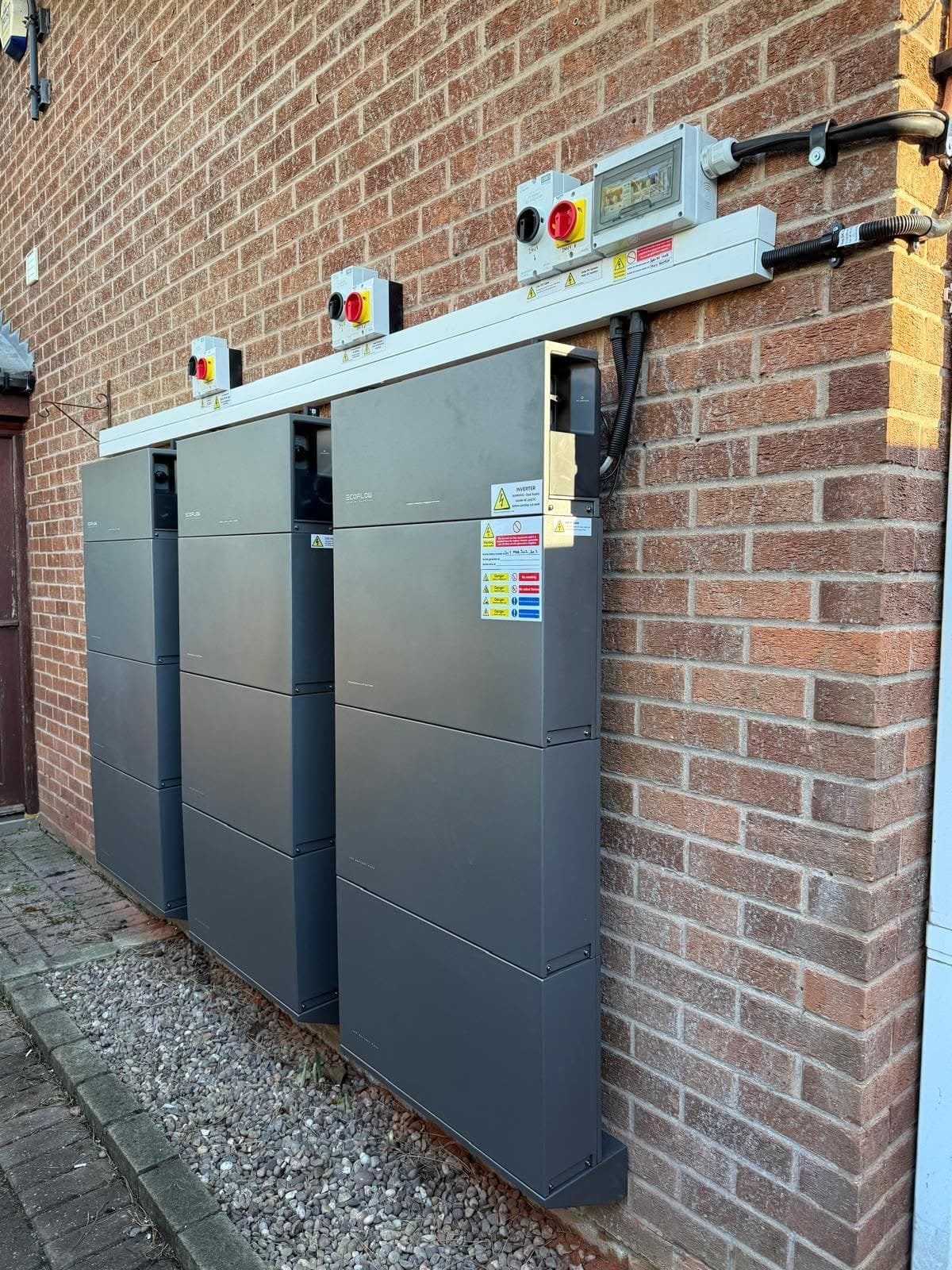
There’s also a quicker route for batteries. The ENA mentions a G99 fast-track procedure for storage used alongside solar to offset what a home uses. SP Energy Networks lists the conditions for its version, including a total of no more than 7.36kW with the battery counted in, export held to 3.68kW per phase by an approved G100 device, and a system that won’t generate during a power cut.
Which one applies to you
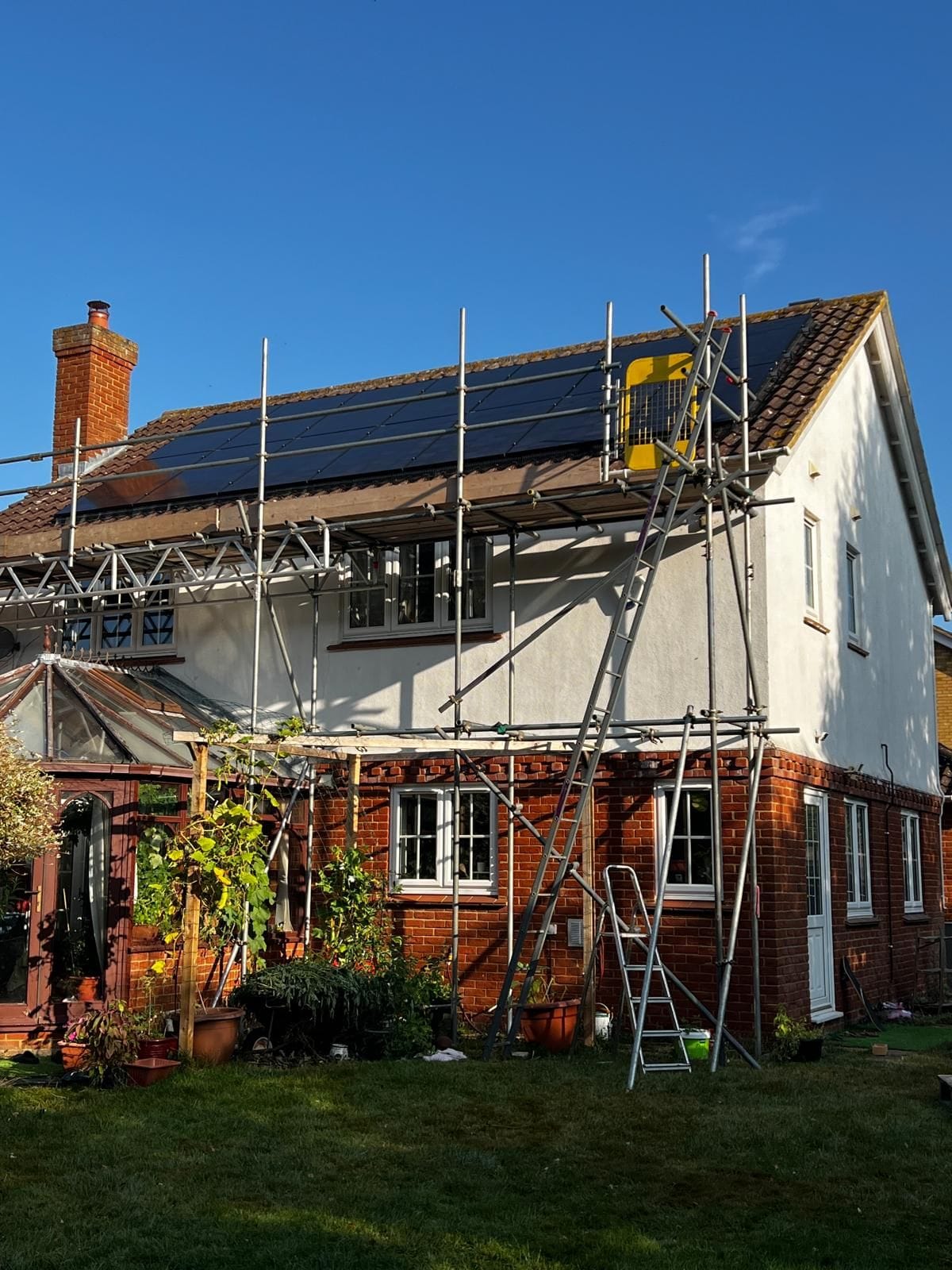
It’s the total that counts, not each piece on its own. The MCS solar standard gives an example: a 3kW solar system and a 3kW battery on the same single-phase supply add up to more than 16A, so G99 applies. That’s why adding a battery to panels that went in under G98 can turn the whole system into a G99 job. Our guide to adding a battery to the solar you already have goes into that in more detail.
In short:
- G98: everything together at 16A per phase or less, and type tested. Fit first, then notify.
- G99: anything bigger, or not type tested to G98. Apply first, wait for approval, then fit.
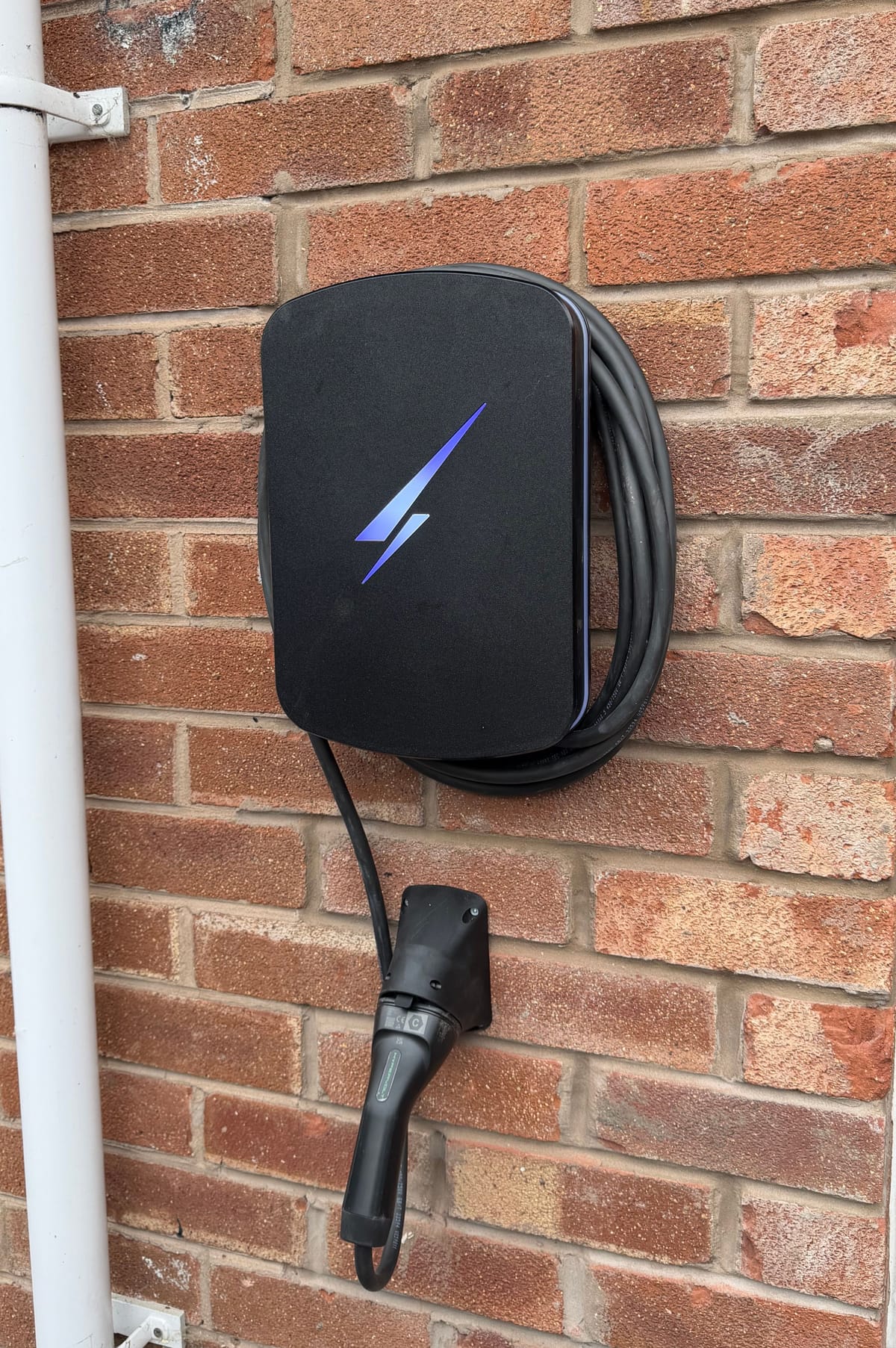
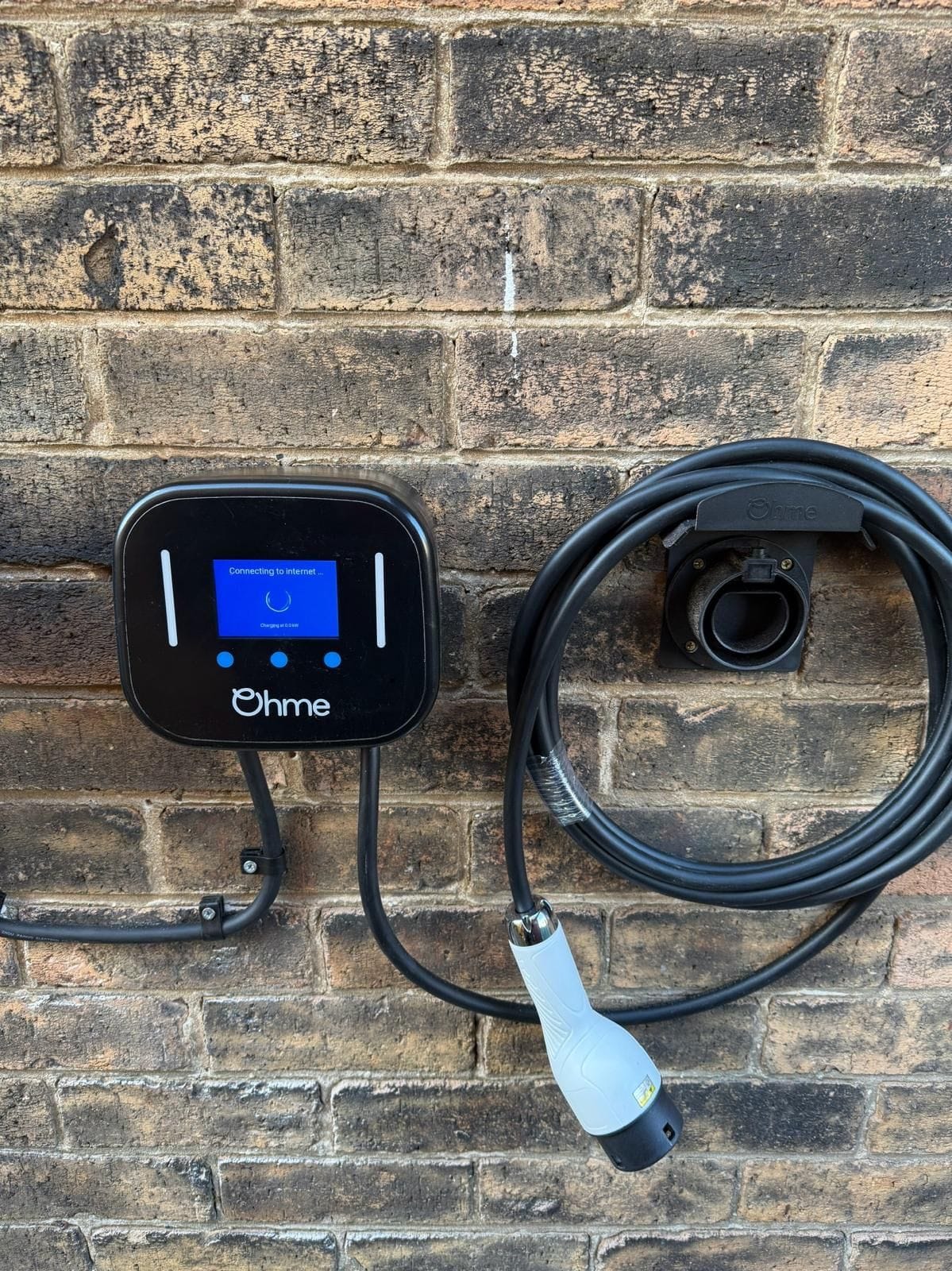
- A car charger that only draws power is a separate notification. The ENA handles charger and heat pump notifications through its Connect Direct platform.
- A car that can send power back (vehicle-to-grid) counts as generation too, and the ENA says it is likely to need G99.
Who sends it
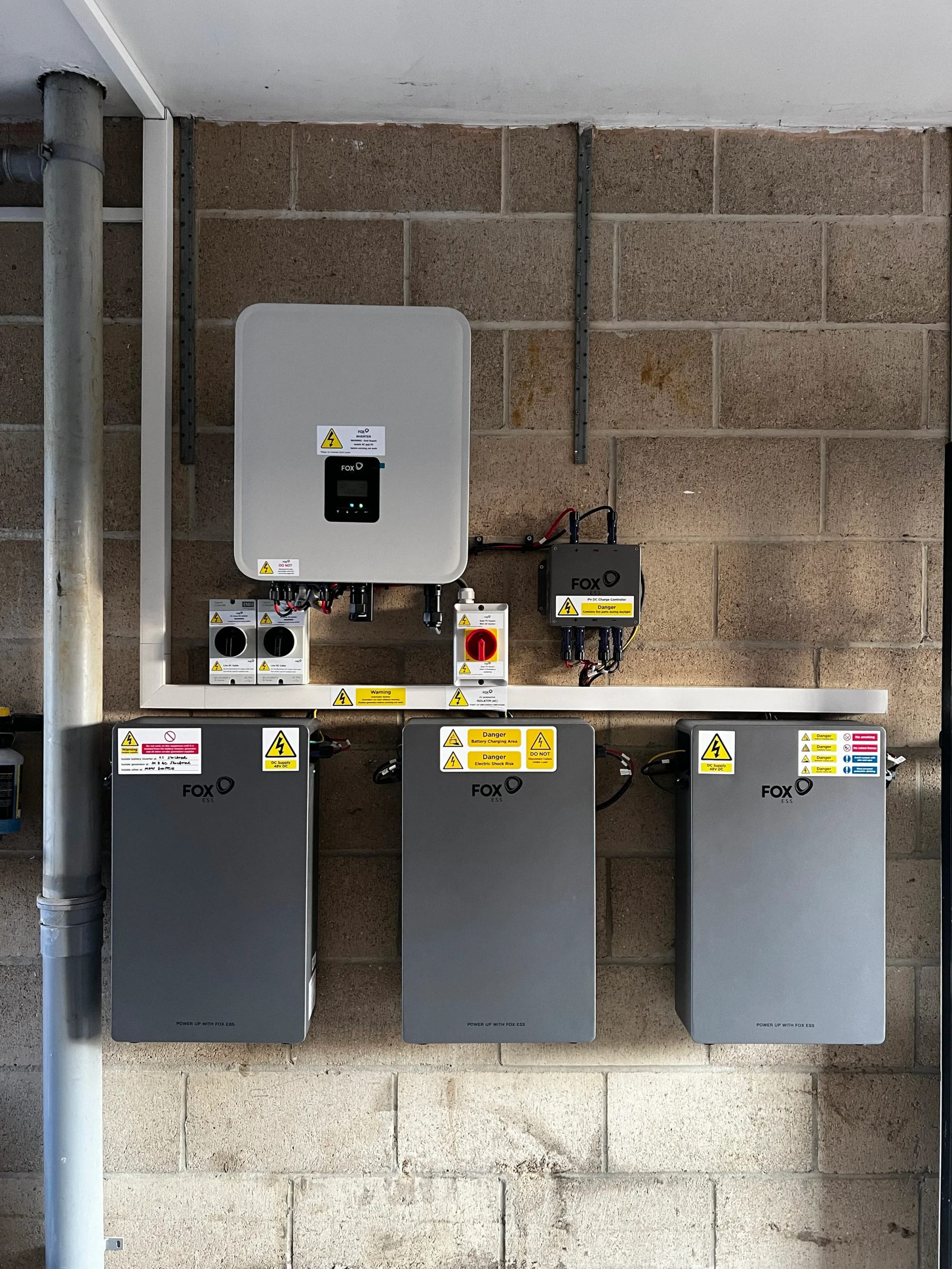
Not you. The MCS installation standards for solar PV and for batteries both say the notification to the network operator, under G98 or G99, is done by the MCS-certified installer. The ENA’s G98 guide says the same: your installer must notify the network operator.
We handle this paperwork for the systems we fit, from G98 notifications to full G99 applications. It’s still worth asking for a copy of what was submitted and of the operator’s reply. The ENA points out that compliance is the customer’s responsibility, and the customer is often, though not always, the owner of the system.
What an export limit means
An export limit caps how much power your system can send out to the grid at any moment, whatever the panels are making. SP Energy Networks describes the idea as using most of what’s generated on site and exporting only a limited amount, and lists two ways of doing it:
- turning the generation down when there isn’t enough demand in the house to use it
- raising the demand in the house to soak up the excess, for example by charging a battery
The technical requirements for export limitation schemes are in another ENA document, G100, and SP Energy Networks takes export limitation schemes through its G99 application process. It adds that in some cases a supply may still need upgrading even with a limit in place.
If your system has an export limit, a battery or a solar-aware car charger means more of what the panels make is used at home rather than turned down. There’s more on how exported electricity is paid for in our Smart Export Guarantee guide, and on the systems themselves on our solar PV and battery storage pages. The network paperwork is separate from planning, which our guide to whether solar panels need planning permission covers, and a flat roof has rules of its own, set out in solar panels on a flat roof. The government’s figures for what installations cost, before any of this paperwork, are in our page on what installations cost per kW. If you’ve a question we haven’t covered, try our FAQs or get in touch.