
The Smart Export Guarantee explained.
Who has to offer the Smart Export Guarantee, what you need before you apply, how batteries fit in, and why Ofgem tells you to shop around for a tariff.
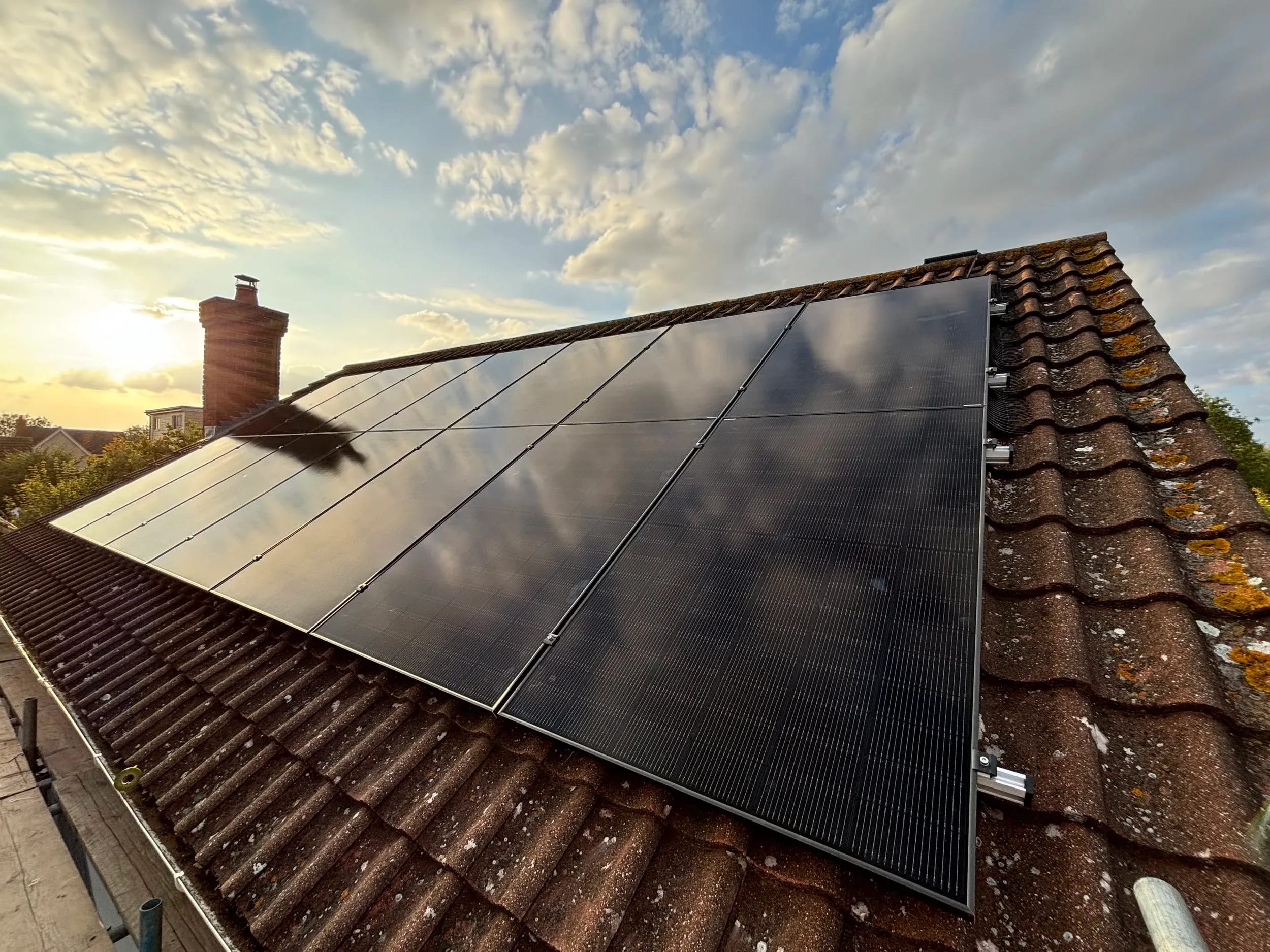
When your panels make more electricity than the house is using, the rest goes out to the grid. The Smart Export Guarantee, or SEG, is the scheme that means you can be paid for it. It began on 1 January 2020, following on from the Feed-in Tariff, which closed to new applicants in 2019, and Ofgem, the energy regulator, administers it.
The basic deal, as GOV.UK describes it, is that you’re paid for each unit of electricity you feed back to the grid and nothing for the electricity you use yourself, although using your own means buying less from the grid.
Who has to offer it
Every electricity supplier above a certain size. Ofgem’s rule is based on customer numbers: a supplier with at least 150,000 domestic electricity customers at the end of the previous year is a mandatory SEG licensee. It must offer at least one SEG tariff to anyone with an eligible system, and it can’t opt out. Smaller suppliers can choose to take part as voluntary licensees.
Ofgem publishes a list of the SEG licensees for each scheme year, which runs from April to March.
What the rules don’t set is the rate. Each supplier decides its own rate, contract length and other terms, and a tariff can be fixed or variable. The one thing Ofgem insists on is that a SEG tariff must always pay more than zero.
What you need before you can apply
Between them, GOV.UK and Ofgem list what a supplier will want to see:
- An eligible system. Solar PV counts, along with wind, hydro, anaerobic digestion and micro-CHP, up to 5MW (50kW for micro-CHP), in Great Britain.
- An MCS-certified installation. You need to show that both the installation and the installer were certified through MCS, or through a scheme accredited as equivalent, such as Flexi-Orb.
- A meter that can read your export. It has to provide half-hourly export readings, which GOV.UK says would typically be a smart meter. If you haven’t got one, your energy supplier is the one to ask.
- An export MPAN. This is the reference number for your export connection, separate from the import number on your electricity bills. Your SEG supplier can give you one.
- No FIT export payments. You can’t have a SEG tariff while you’re paid for export under the Feed-in Tariff. Ofgem’s guidance says that if you receive only FIT generation payments, having opted out of FIT export, you can still apply.
We’re MCS certified for solar PV and battery storage (certificate NAP-71179, through NAPIT).
Choosing a tariff
You apply directly to the SEG supplier you choose, and it doesn’t have to be the company that supplies your electricity. You can only take a SEG tariff from one supplier at a time.
Because suppliers set their own terms, the offers vary and they change. Ofgem advises shopping around to find the best tariff for you, and GOV.UK suggests checking regularly that you’re still on a competitive one. If a tariff stops being competitive, Ofgem’s guidance says you may want to think about switching.
When you compare tariffs, look at:
- whether the rate is fixed or variable
- how long the contract runs
- any conditions attached, since the terms are the supplier’s to set
- how often you’ll be paid, which Ofgem leaves to each supplier
You won’t find rates in this post. They change too often to print, and Ofgem’s supplier list is the place to start looking.
Batteries and the SEG
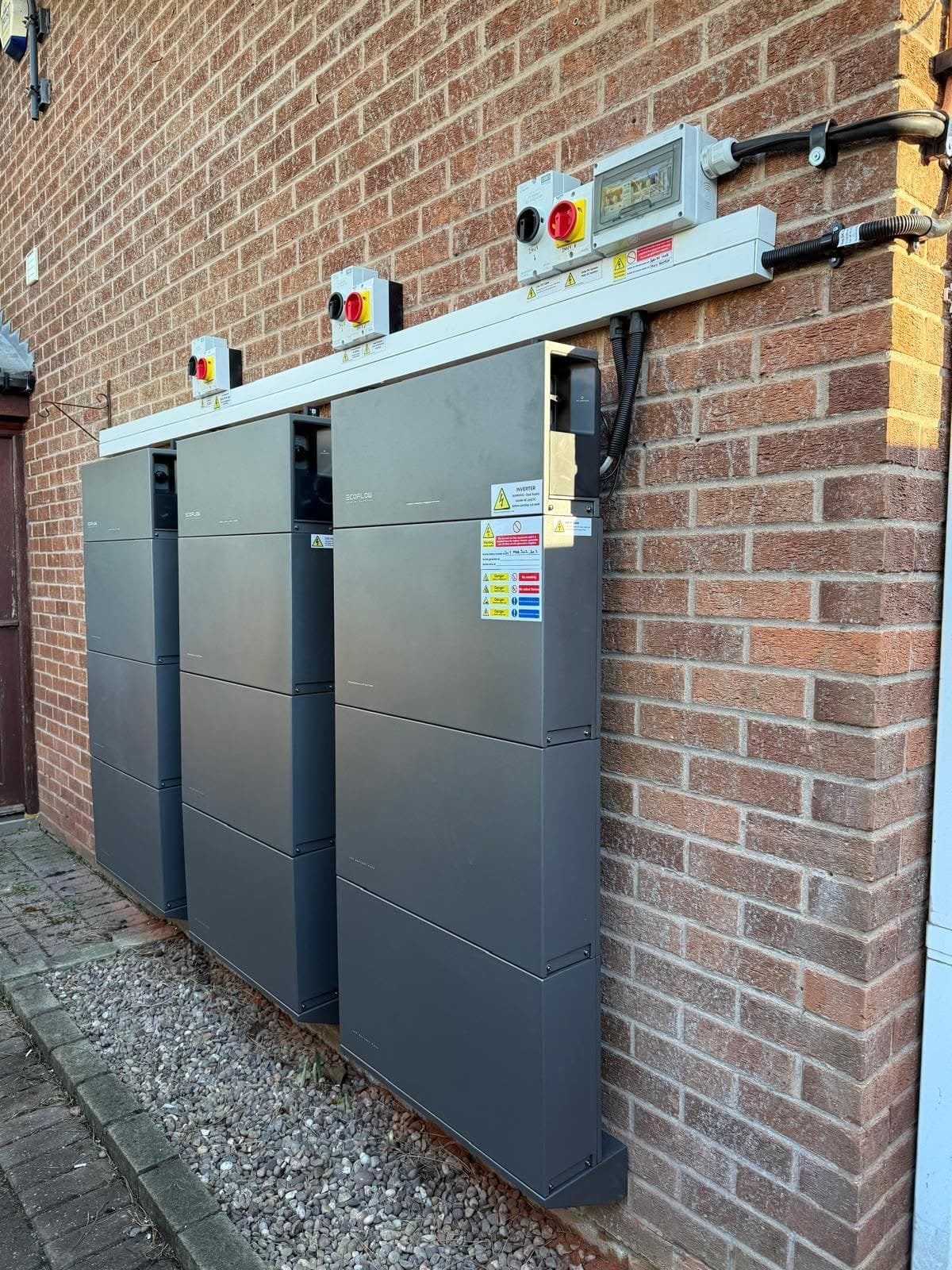
GOV.UK says a storage device that can import and export electricity, such as a home battery or an electric car, could also be used to benefit from the SEG, and that your prospective SEG supplier can advise you.
The detail is in the metering. Ofgem’s guidance on storage says you can add a battery to an installation that’s already receiving SEG payments, as long as the export meter can still measure what the installation exports separately from any other source. A supplier has to pay for exported electricity that can be guaranteed to have come from your solar. Where the meter can’t tell that apart from grid electricity that was stored in the battery and exported later, the supplier doesn’t have to pay, although it may choose to.
So if you have a battery, or are about to add one, ask your SEG supplier how they’ll treat it before you sign up or make the change. Our guide to adding a battery to the solar you already have covers the rest of what’s involved.
Using it or exporting it
The SEG pays only for what you don’t use. GOV.UK’s own framing is that you won’t be paid for electricity you use yourself, but you’ll save by importing less. How your roof’s output splits between the two depends on the system and on when you’re at home. For an estimate worked out for your own roof, the roof studio on our homepage shows how much of what it generates would be used in the house and how much exported.
If something goes wrong
Take a complaint to your SEG supplier first. Ofgem’s guidance says that if it isn’t resolved after eight weeks, you can refer it to the Energy Ombudsman. Your SEG contract will also ask you to tell the supplier about certain changes, such as a new owner or an extension to the system.
Where the Smart Export Guarantee fits in
The SEG is one part of what solar can do for a home, alongside using more of your own electricity and, if you add one, storing it in a battery. For more on the systems themselves, see the pages on fitting panels, adding storage and adding a battery to existing solar, read our FAQs, or get in touch. If you are weighing up solar panels in Cheshire or solar panels on the Wirral, those pages cover the network operator, the planning rules and the council schemes in each. What an installation costs in the first place, per kW and by region, is on our solar panel cost page.