
EV charger grants in 2026: who qualifies and who doesn't.
The 2026 EV charger grant is for renters and flat owners with off-street parking. Who qualifies, who doesn't, how it's claimed, and the on-street grant.
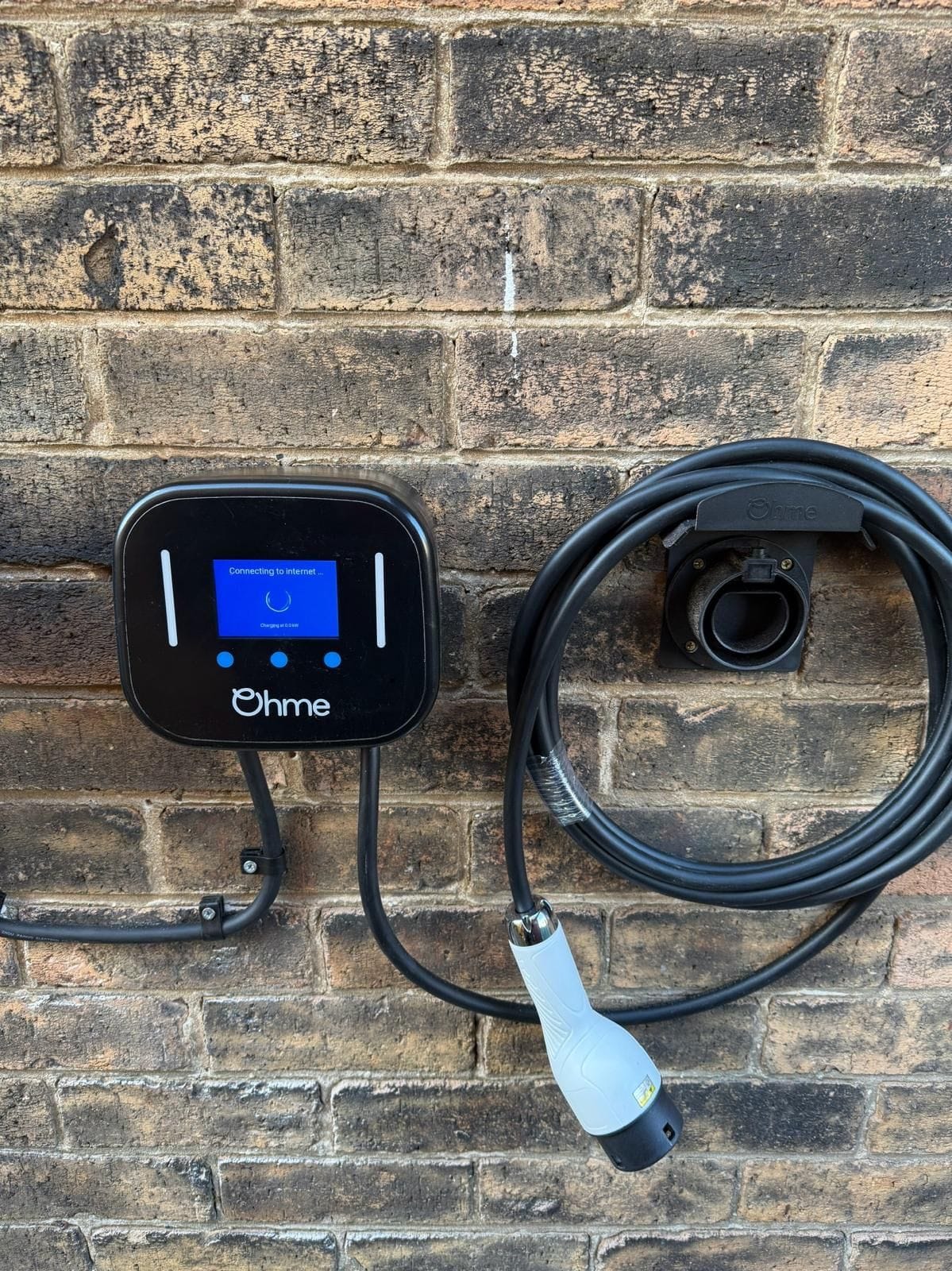
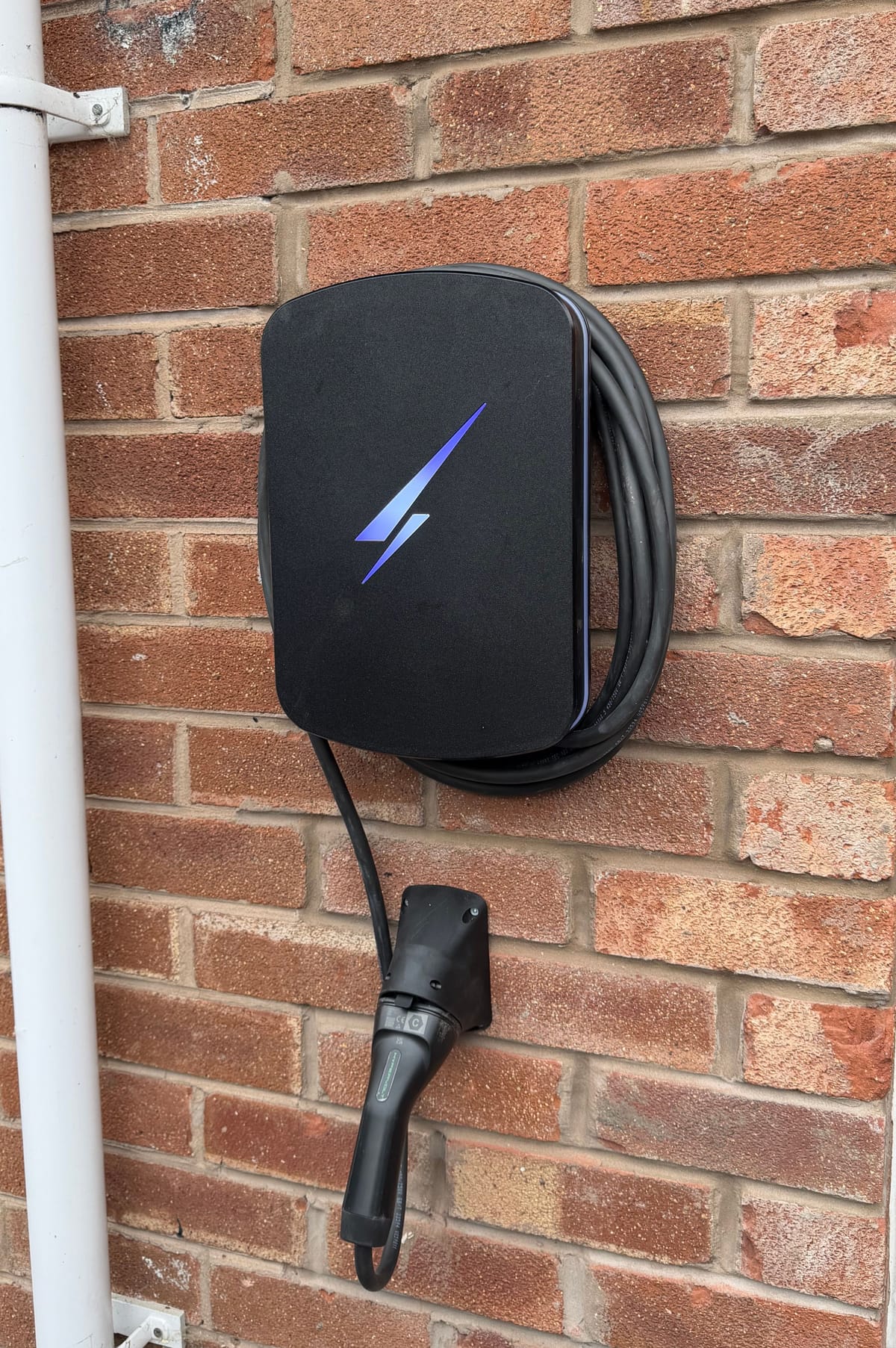
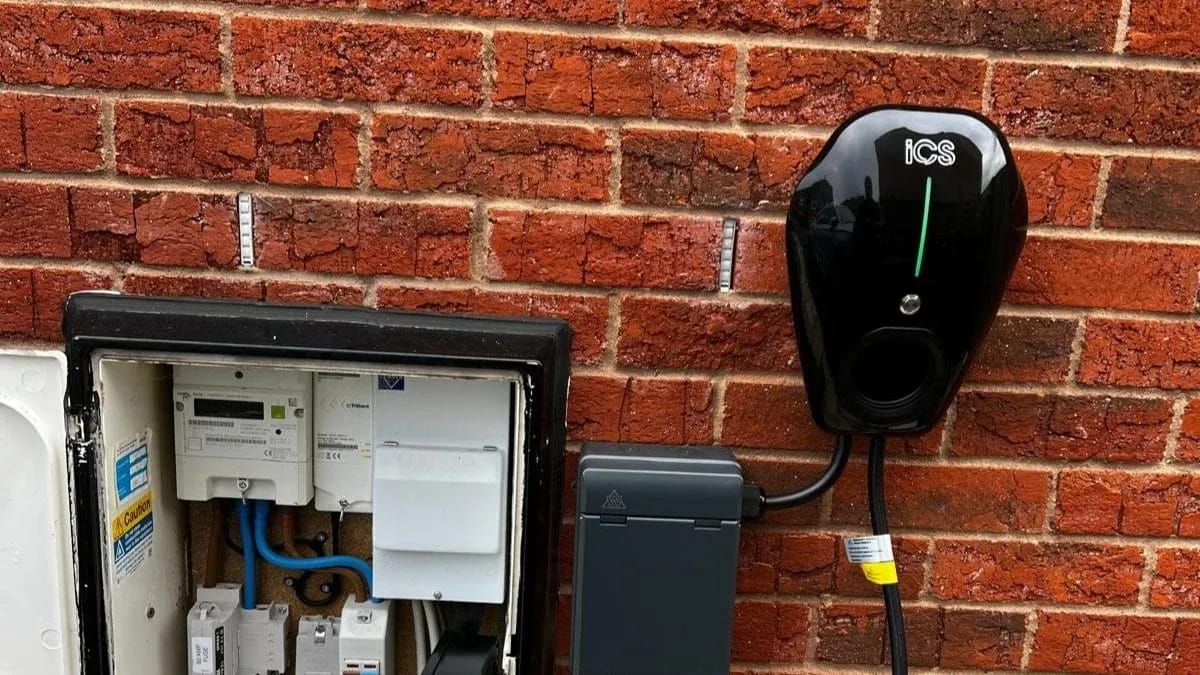
The main EV charger grant in 2026 is for people who rent their home, or own and live in a flat, and have their own private off-street parking. It pays most of the cost of buying and installing a charger socket, up to a cap, and it runs until 31 March 2027. If you own the house you live in, there is no home charger grant for you.
That catches a lot of homeowners out. Here’s who qualifies now, what you need, and how the claim works.
What the EV charger grant pays
The figures below come straight from GOV.UK.
The electric vehicle chargepoint grant for renters and flat owners pays 75% of the cost of buying and installing a socket, up to a maximum of £500. GOV.UK says five chargepoint grant schemes are available until 31 March 2027 with new grant rates, and the page was updated on 1 April 2026. Before 1 April 2026 the cap for renters and flat owners was £350. Source: GOV.UK: Electric vehicle chargepoint grant for renters and flat owners
A separate grant for households with on-street parking pays up to £500 towards installing a chargepoint at your property, where you are fitting a cross-pavement solution. The landlord grant pays up to £500 per socket. Source: GOV.UK: Electric vehicle chargepoint grants
The grant is a share of the cost, not a fixed sum, so it is worked out from the quote for your job. What goes into that quote is covered in our guide to EV charger installation cost.
Who qualifies for the EV chargepoint grant
GOV.UK says all three of these must apply:
- you live in a flat that you own, including a flat bought through shared ownership, or you rent a residential property
- your home has its own private off-street parking space
- you own or use an eligible vehicle
The parking space has to be off-street, private and clearly defined, accessible to you at all times, and yours or one you have the legal right to use. GOV.UK adds that it doesn’t have to be part of the property. You need proof of the rights and permissions, such as from the freeholder.
The vehicle has to be on OZEV’s list of eligible electric vehicles. You can show you own or use one as the registered owner, through a lease of at least six months, as a work vehicle you’ve used for at least six months, or with a car currently on order. The charger itself also has to be on the list of eligible chargepoint models.
Who doesn’t qualify
GOV.UK lists the households that can’t apply:
- you live in a house that you own, unless it has been converted into flats and you live in one of them
- you rent a room where the landlord or homeowner lives, such as a lodger
- you’re moving house or planning to
- you’ve already claimed this grant, or its earlier versions, the Electric Vehicle Homecharge Scheme and the Domestic Recharge Scheme
- the law already requires your home to have a chargepoint, for example a new build
The first line is the big one. If you own a house with a drive, there’s no government grant towards a home charger in 2026. The grants page lists schemes for renters and flat owners, households with on-street parking, landlords, workplaces and state-funded education, and none for owners of houses with off-street parking.
England, Wales and the rest of the UK
The eligibility page says your property must be in the UK, and that you can’t apply from the Channel Islands or the Isle of Man. It doesn’t single out England or Wales, so the same rules apply to a renter in Chester as to one in Wrexham.
The on-street, cross-pavement grant
If you only have on-street parking, there’s a separate grant. GOV.UK says you must own or rent your home, have only on-street parking, and be installing a cross-pavement solution such as a charging gully. Eligibility and the application are on the government’s Find a Government Grant service.
From 21 October 2026 England’s planning rules say a cable across a footway must use an authorised cross-pavement solution. Our post on EV charger planning permission explains the new rules.
How the claim works
The installer does most of it, but the application is in your name. GOV.UK sets out the steps:
- Contact an OZEV-authorised installer to get a quote.
- Gather the documents and permissions.
- Complete the online application.
You’ll need a dated quote from your installer, a utility bill in your name at the address, a copy of your tenancy agreement if you rent, and written permission from your landlord, freeholder or property manager. If you live in a listed building, you’ll also need written permission from the local authority.
Once OZEV accepts the application, it tells you and your installer, and the work can start after that, not before. When the job’s done, the installer claims the grant on your behalf and OZEV pays it to them directly. OZEV may audit the application or the installation, including a site visit.
The installer guidance is clear that only an OZEV-authorised installer can claim the grant. If you’re applying, ask your installer for their OZEV number before you go further. The government’s helpdesk asks for it if you contact them.
Things worth checking first
- Is your parking space genuinely yours to use, and can you get written permission for a charger there?
- Is your car, or the car you’ve ordered, on the eligible list?
- Is the charger model on the eligible chargepoint list?
- Is your installer OZEV-authorised, and will they make the claim?
- If you’re in a block of flats, can the cable reach your bay, and who has to agree to the route?
What we’d do
If you own a house, we’d tell you plainly that there’s no grant and price the job on its own, after a look at your supply, earthing and cable route. If you rent or own a flat, we’d go through the list above with you before anything else, because the permissions from your landlord or freeholder usually take the longest. Either way, the charger we fit is Hypervolt, and our home EV charger checklist explains what to look for in any charger.
Where to go next
Our EV charging service page covers what a charger install includes. If you have solar panels, or are thinking about them, our guide to charging an EV from your own roof explains how the two work together. We fit chargers across Cheshire, Merseyside, Greater Manchester and North-East Wales, including in Wrexham.