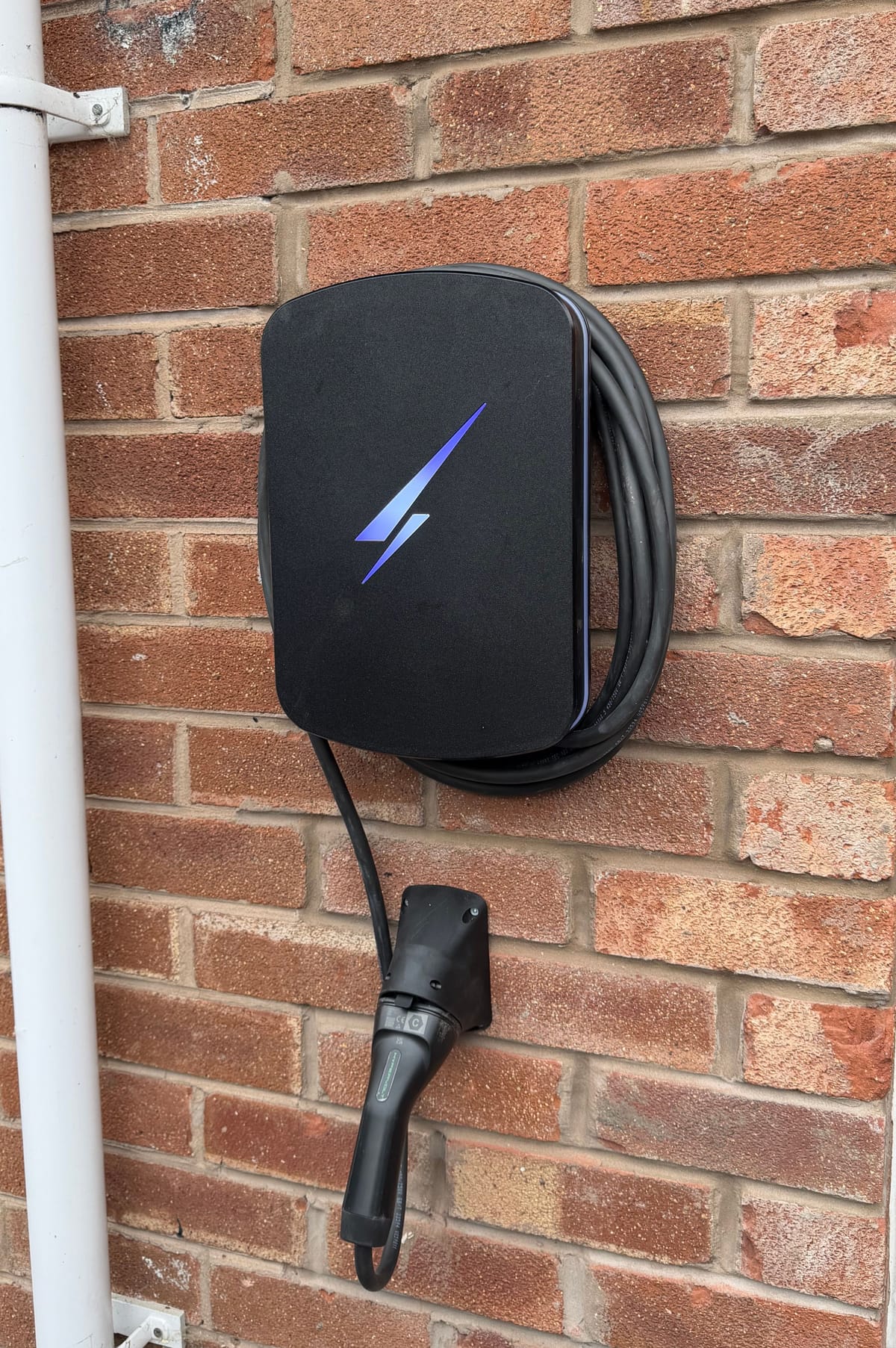

Charging an EV from your own solar.
What solar and eco modes on a Zappi, Ohme or Hypervolt do, why the charger watches your whole supply, and how a home battery and a car share the surplus.
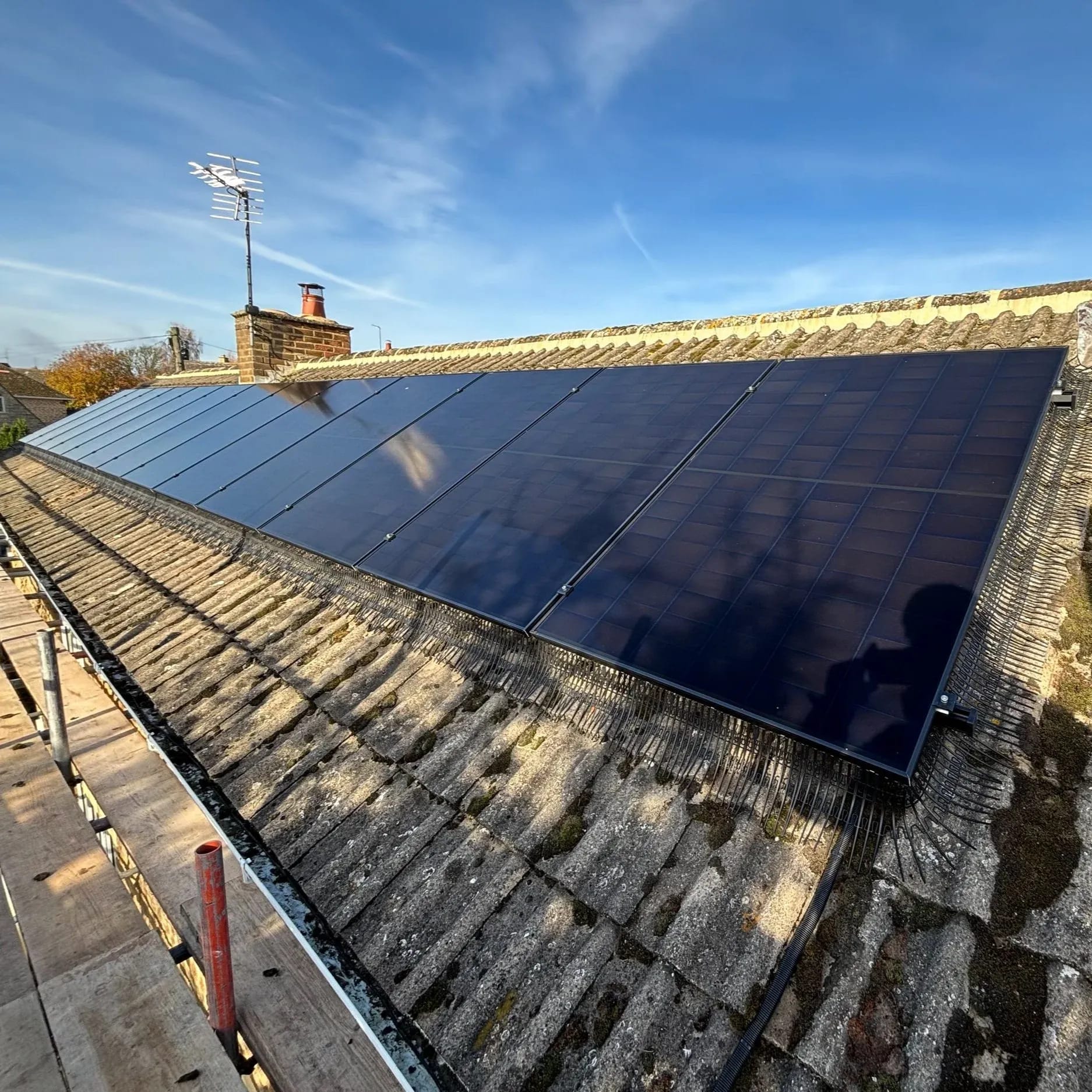
A car on the drive and panels on the roof look like a natural pair. The roof makes electricity during the day, and if the car is parked at home, it can take some of it. What makes that work is a charger that knows, moment by moment, how much spare solar there is.
What “spare solar” means for EV charging
At any moment your panels are making a certain amount of power and your house is using a certain amount. When the panels are ahead, the difference goes out to the grid. That difference is the surplus, and it’s what a solar-aware charger tries to put into the car instead.
The charger can’t see the surplus from where it’s mounted. It needs a sensor on your incoming supply, usually a clamp round the cable at the meter. The manufacturers are clear that this isn’t optional for solar charging:
- myenergi says its grid sensor has to sit at the grid connection point, and that it’s essential for the Zappi’s eco modes.
- Ohme calls its clamp essential for charging with solar.
- Hypervolt says that without its clamp, the charger can’t detect surplus solar at all.
What the modes actually do
Every solar-aware charger has some version of three settings: charge flat out from whatever is available, follow the surplus but top up from the grid, or wait for spare solar and keep off the grid. The names differ from brand to brand.
- myenergi Zappi. Fast charges at maximum power, from the roof or the grid. Eco mixes solar with grid power and keeps the grid share down; myenergi says it generally takes advantage of cheaper overnight rates as well. Eco+ keeps adjusting the charge rate as generation and household use change, pausing if the house is importing too much and carrying on when there’s surplus again.
- Ohme. Solar Boost aims to reach the charge you’ve set, using solar and grid as needed while making the most of any spare solar. Solar Only charges with excess solar and keeps grid use to a minimum. Ohme says solar charging is available on most of its Home Pro and ePod chargers installed from January 2023 onwards.
- Hypervolt. Boost charges straight away at the maximum power available. Eco puts solar and home battery energy first. Super-Eco uses only solar and home battery energy, with nothing drawn from the grid.
There’s a catch on grey days. A car won’t charge below a minimum rate. Ohme’s solar modes normally wait for at least 1.44kW of spare solar before they start, Hypervolt’s Eco mode holds a minimum of 1.4kW, and myenergi notes that EV chargers usually need around 1.4kW before they kick in. When the roof can’t manage that, a solar-only mode waits, and a mixed mode makes up the difference from the grid.
Load management: keeping within your supply
A car charger can draw a lot of power for hours at a time, and your home’s supply has a limit. Load management means the charger watches the whole house’s demand, through that same supply sensor, and turns itself down when things get busy.
Hypervolt describes it as stopping your supply being overloaded by adjusting how much power the charger uses. myenergi’s version is a Grid Limit: you set the most the house may draw from the grid, and the Zappi reduces its charging to stay under it. myenergi’s own example is a busy house with a car on fast charge, where without that limit the total could trip the supply or blow a fuse.
So the sensor earns its place twice over. The same clamp that finds your spare solar also stops the charger overloading the house.
Tethered or socket
Home chargers come in two styles.
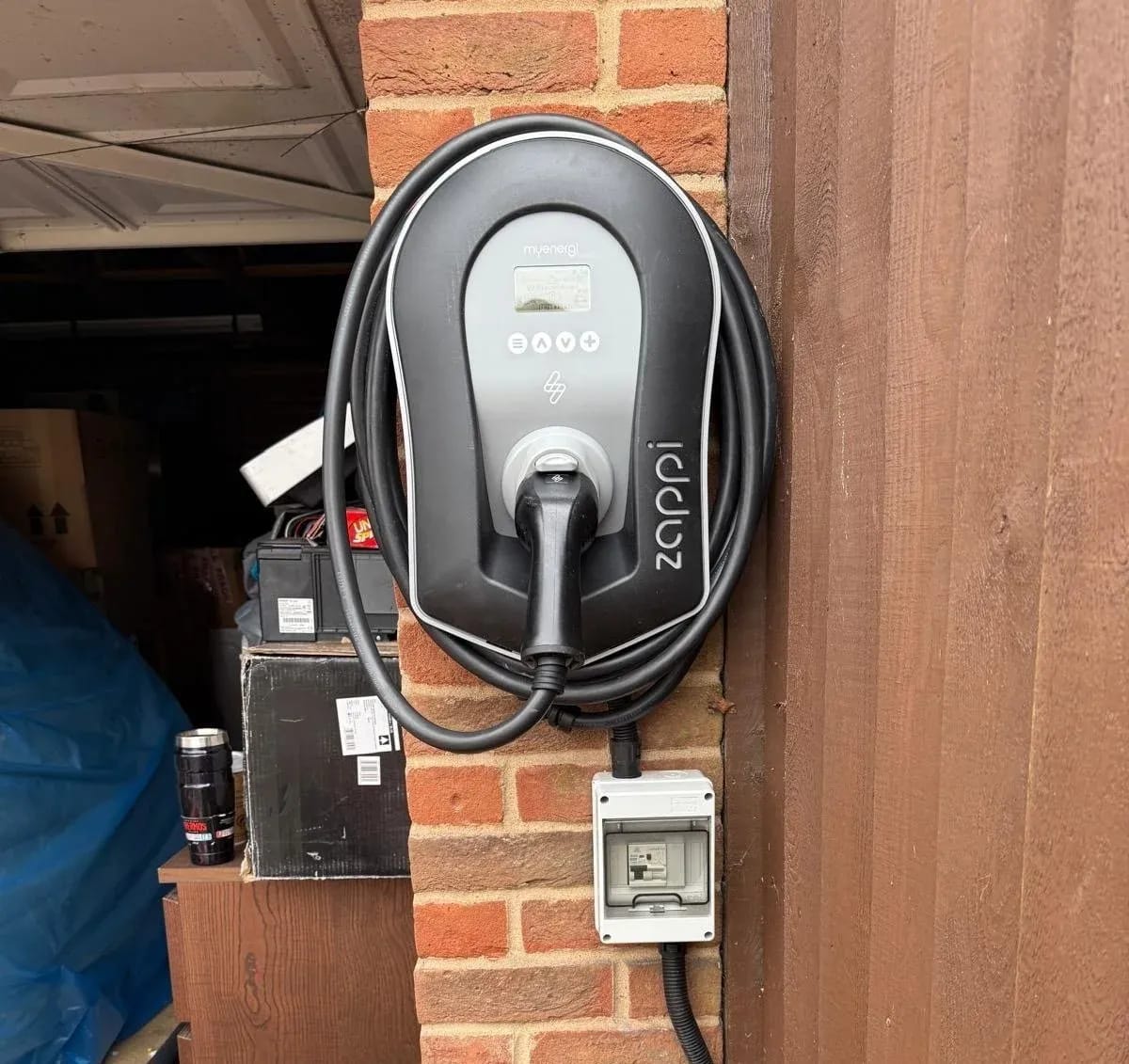
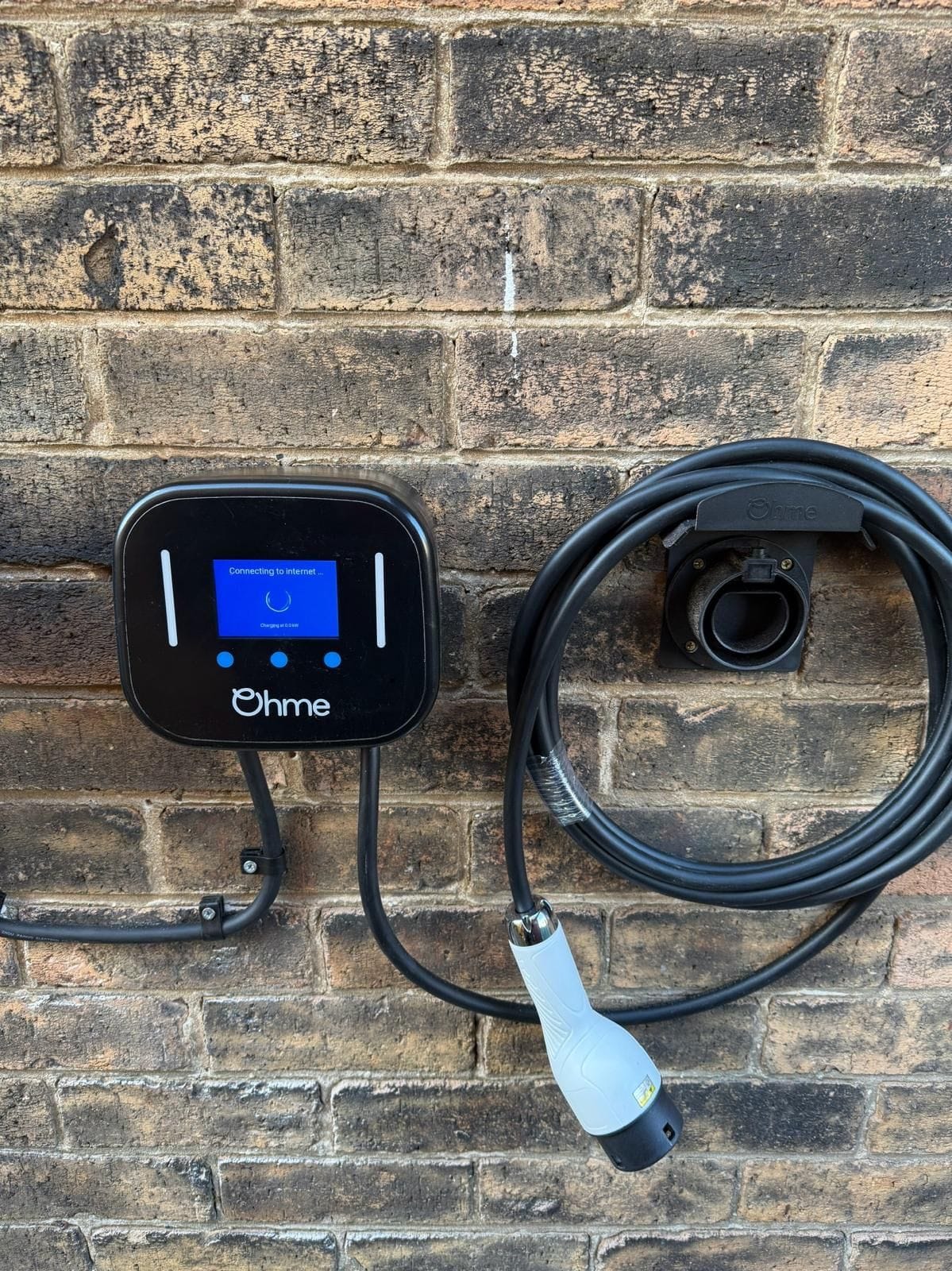
- Tethered. The cable is fixed to the charger. You unhook it and plug it into the car, and there’s nothing to get out of the boot. The Zappi at the top of this page and the Ohme below are both tethered.
- Socket, or untethered. The charger has a socket on the front and you plug in a cable of your own each time. The wall looks tidier and you can choose the cable length, but the cable has to live in the car or the garage.
Neither changes how solar charging works. It’s a question of how you’d rather plug in.
When there’s a home battery as well
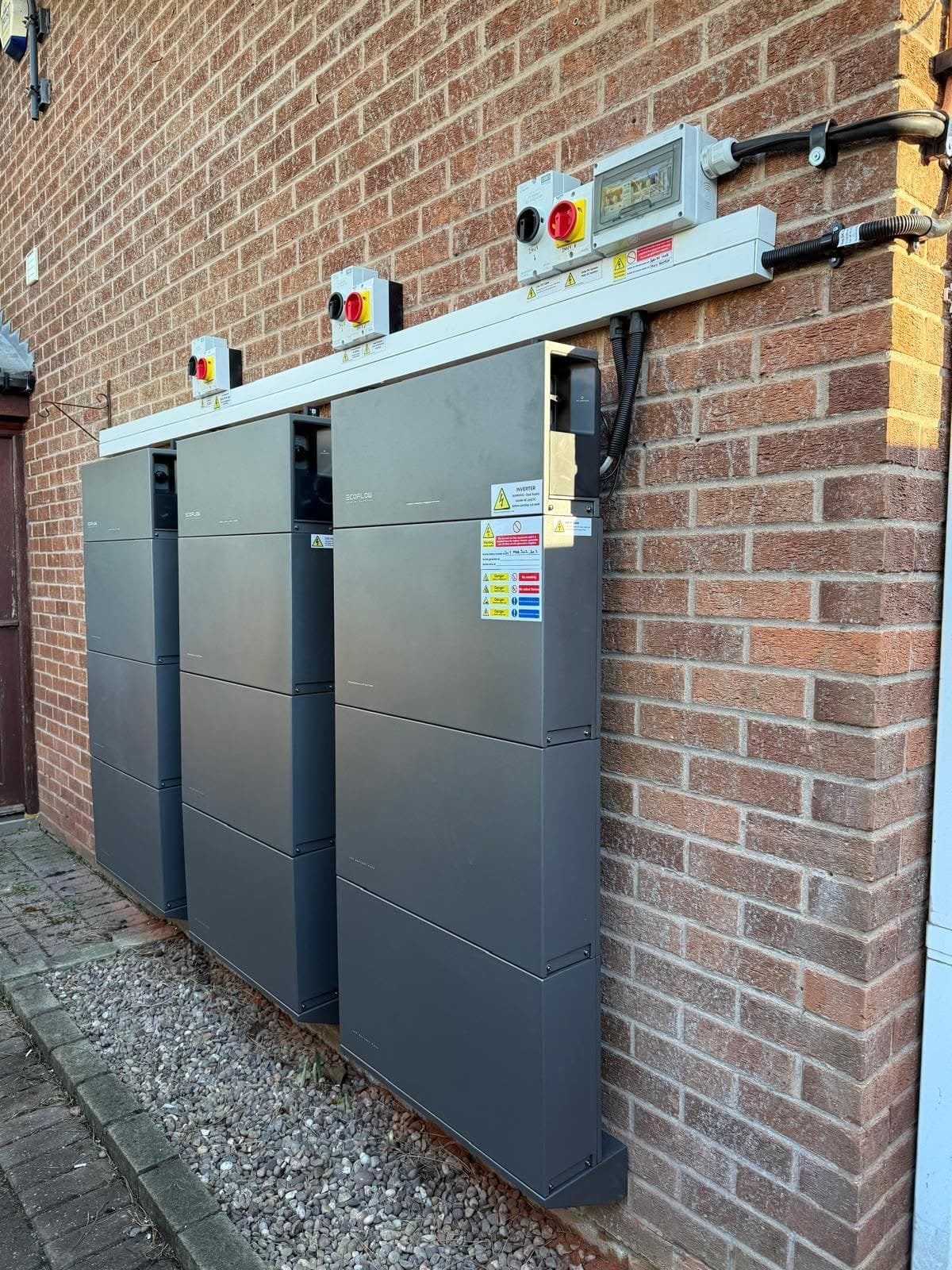
A home battery and a solar-aware charger both respond to the same spare power, so the question is which one gets it first. Left to their defaults they can pull against each other, and in some set-ups the car ends up emptying the home battery. The manufacturers say so themselves:
- Ohme says that if your home battery is set to discharge while the car is plugged in, the charger may use power from the battery, and suggests setting the battery not to discharge while you use its solar feature.
- myenergi says that with a DC-coupled battery, where the panels and battery share one inverter, a small export margin stops the Zappi draining the battery during Eco+ charging. It also warns that a scheduled boost takes power from any source, so unless the battery is turned off or also set to charge the car, the car will still drain it.
- Hypervolt has a Battery-Safe mode that pauses charging if the home battery starts to discharge unintentionally.
So the order of priority is a setting, not luck: the battery first and the car after, the car first, or a split between them. It’s one of the things we go through with you when we set up the apps.
Some homes add a third place for the surplus. myenergi’s eddi diverts excess solar back into the property, such as into heating your hot water, and myenergi points out that it can work with far smaller amounts of solar than a car charger needs.
The rules every new home charger follows
Since 30 June 2022, charge points sold in Great Britain for home use have had to be smart. GOV.UK sets out what that means, including:
- pre-set off-peak charging hours, which you can accept, remove or change when you first use the charger and at any time after
- a randomised delay function
- a way of measuring the electricity used and how long each charge lasts
- carrying on charging even if the charger loses its connection to the internet
So a new charger arrives with off-peak hours already set. If you’d rather it waited for the sun, that’s a setting you can change.
The network operator has to be told about a new charger too. The Energy Networks Association says there’s a requirement to inform the network operator of the installation under all circumstances, and in some cases the installer must apply before fitting it. We handle that for the chargers we fit.
The chargers we fit
We fit Hypervolt and Tesla Wall Connector chargers, and myenergi’s eddi for hot water. Whether you’re adding a charger to panels you already have or planning both at once, there’s more on our EV charging and solar PV pages, or you can get in touch. We fit them on both sides of the Mersey, from Chester and the rest of Cheshire to Birkenhead and the Wirral.