

The case, honestly
Why solar, and where the argument stops.
Solar is not magic and it is not a trick. It is a slow, dull, reliable swap: electricity you buy for one price, replaced by electricity your own roof made for nothing.
Here is what that is worth on a house round here, what a battery adds to it, and the bits the sales patter usually skips.
The first question
What a roof round here actually makes.
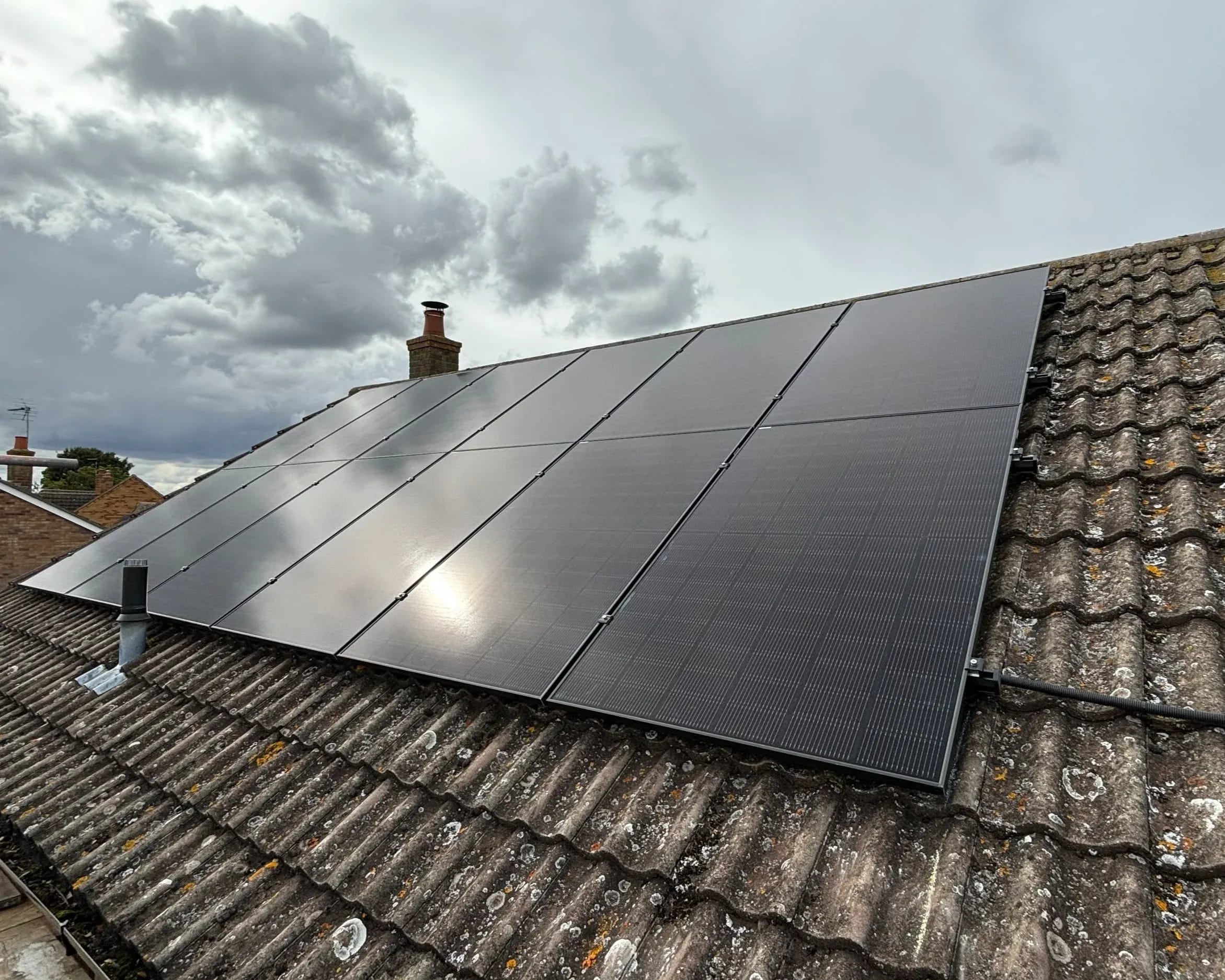
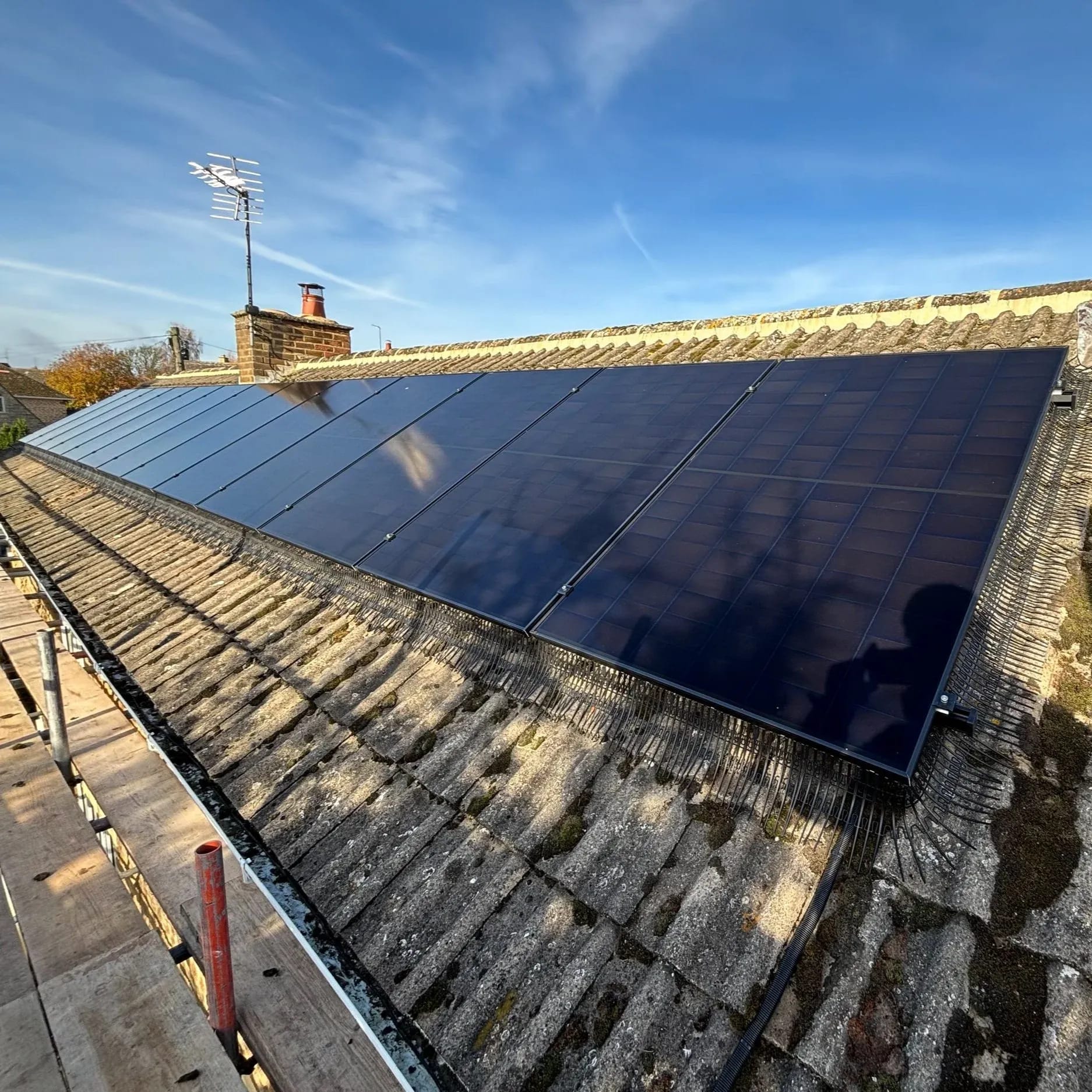
A south-facing array at a typical pitch near Ellesmere Port makes about 951 kWh a year for every kWp you fit — the European Commission's own irradiation model, run at this location rather than a national average.
That generation lands unevenly: roughly a quarter of the year's total arrives in June and July, and the two darkest months contribute a few per cent between them. Any pitch that ignores that shape is selling you an average, not a roof.
Where the value comes from
Four things, in the order they matter.
Not four reasons to buy — four mechanisms, each of which either applies to your house or does not.
- Using your own generationEvery unit the house takes from the roof is a unit it does not buy. That is the whole engine; everything else is a refinement of it.
- Storing the surplusWithout a battery, how much of the generation a house uses itself depends mostly on who is in during the day — the roof studio models that between roughly a third and roughly two thirds. With one, most of it goes through the house instead of out to the grid.
- Exporting the restThe Smart Export Guarantee obliges large suppliers to offer a rate for what you send back. You choose the supplier, the rate is theirs, and the MCS certificate is what makes the application possible.
- Keeping the lights onWith the right battery and a gateway, a power cut stops being your problem. It is a separate decision with its own cost, not a free extra.
The honest limits
Where the argument stops.
Any installer who cannot tell you this is not worth listening to on the rest.
- A shaded roof stays a shaded roofElectronics help; they do not turn a north-facing roof under a sycamore into a south-facing one. Sometimes the answer is fewer panels, or none.
- Winter is winterDecember and January contribute a few per cent of the year between them. A battery moves generation through the day, not through the seasons. What each month makes on a roof here.
- Export pays less than buying costsSending a unit to the grid is worth less than not buying one. That is why the design chases self-consumption first and export second.
- We won’t promise it adds value to your houseYou will hear that solar raises what a house is worth. We don’t put a number on it — there is no figure we could stand behind.
Listed house, conservation area or flat roof? Those change the route rather than the answer: read whether solar panels need planning permission and how panels go on a flat roof.
Want the arithmetic for your own house? The roof studio runs PVGIS 5.2, EU Joint Research Centre data against your own bill, and shows every assumption it used. For what homes actually paid, the government’s 2025/26 cost figures set out what homes paid per kW.
Asked at the kitchen table
Solar, the questions first.
If yours isn’t here, give us a ring and ask, or see every question.
Solar panels capture sunlight and convert it into electricity for your home. By using solar energy, you can reduce your electricity bills and decrease your environmental footprint. Solar power is a renewable energy source, helping you save money and contribute to a sustainable future.
Our solar installation process typically includes an initial consultation, a detailed assessment of your energy needs, custom system design, the network operator application, installation, and system testing. We handle every step to ensure your system is set up for optimal efficiency.
The savings vary depending on your location, electricity usage, and system size. During your consultation, we provide a detailed estimate based on your home’s specific energy needs.
Most homes can benefit from solar panels, but several factors can impact suitability, such as roof orientation, shading, and available space. During our initial assessment, we’ll evaluate your property to determine if solar is the right choice for you.
Where next
If it does stack up for your roof.
The work
Start here
Start with a conversation, not a quote.
Tell us the postcode and roughly what you use. We’ll tell you honestly whether the roof is worth doing — and if it isn’t, that’s a perfectly good answer too.
- Takes about a minute
- You get a person, not a brochure
- No obligation, and no visit until you ask for one