
Do solar panels work in winter?
Yes, but far less: what a south-facing roof in Cheshire makes month by month, why winter is a small slice of the year, and what a battery does in December.
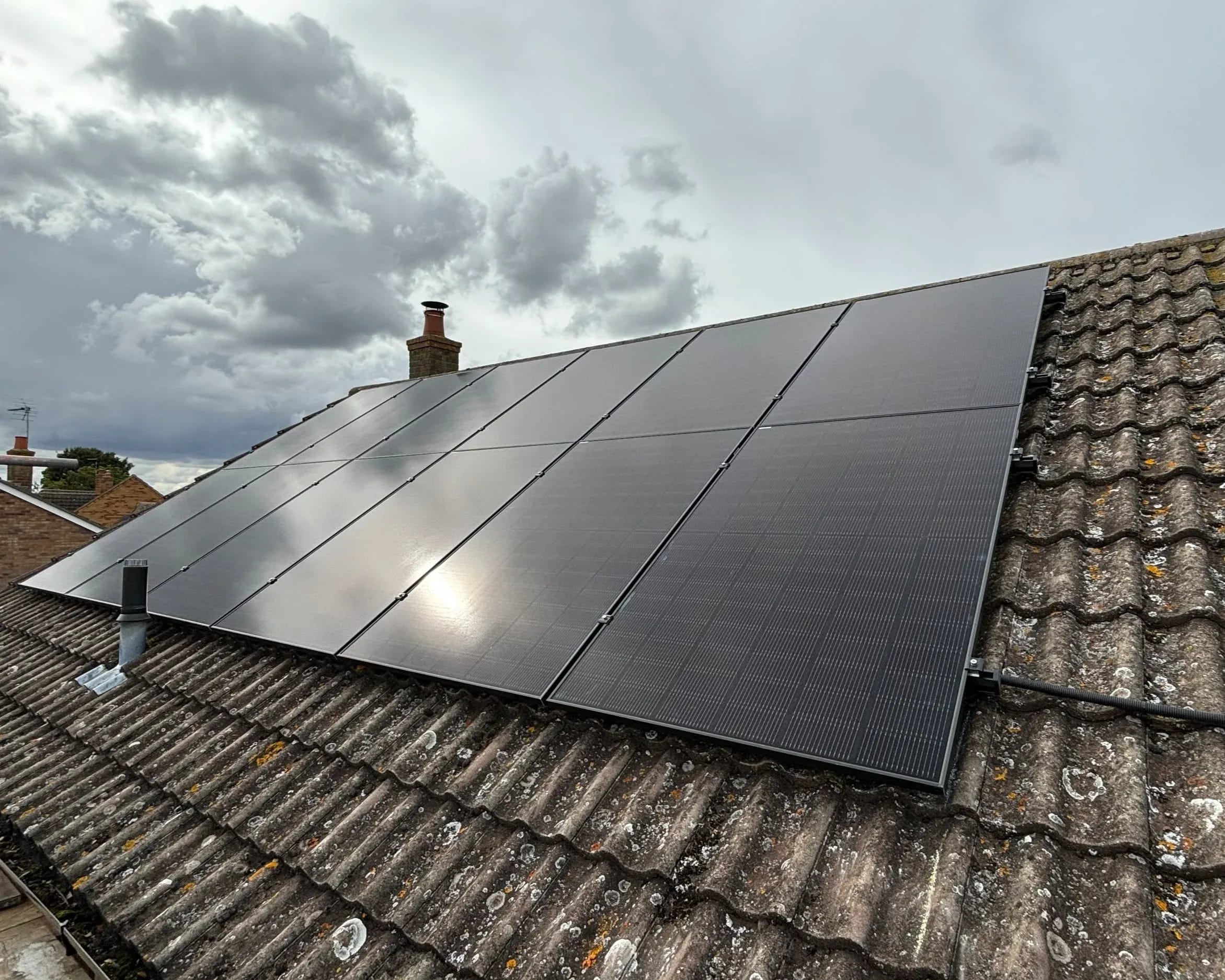
Yes. Solar panels make electricity from daylight, not from warmth, so they keep working through a British winter. What changes is how much: the days are short, the sun sits low, and cloud cover is thicker. Here’s what that looks like on a real roof in our patch, and what it means for whether solar is worth it.
A year on a Cheshire roof, month by month
We use PVGIS, the European Commission’s solar model, for the roof studio on our home page. For a roof at our Ellesmere Port base, facing due south at a 38° pitch, it estimates what each kilowatt-peak (kWp) of panels makes in a typical month, averaged over 2005 to 2020:
| Month | kWh per kWp |
|---|---|
| January | 33 |
| February | 54 |
| March | 85 |
| April | 109 |
| May | 121 |
| June | 114 |
| July | 114 |
| August | 104 |
| September | 86 |
| October | 59 |
| November | 40 |
| December | 32 |
Across the year that comes to about 951 kWh for every kWp of panels.
What solar panels make in winter
- December makes about a quarter of May. It’s the weakest month, at about 32 kWh per kWp against May’s 121.
- December and January together are about 7% of the year. Even November to February, the four darkest months, add up to only about 17%.
- May, June and July make more than a third of the year’s output between them.
So the honest answer is that panels work in winter, but winter isn’t where solar earns its keep. A system is designed around the whole year, and the spring and summer months carry most of it.
Cold isn’t the problem; light is
Winter output falls because there is less light, not because it’s cold: panels don’t need warmth to generate. The other winter factor is snow. A covering stops a panel generating until it slides off or melts, and the advice is always to let it go on its own rather than climb onto a roof to clear it.
What a battery does in winter
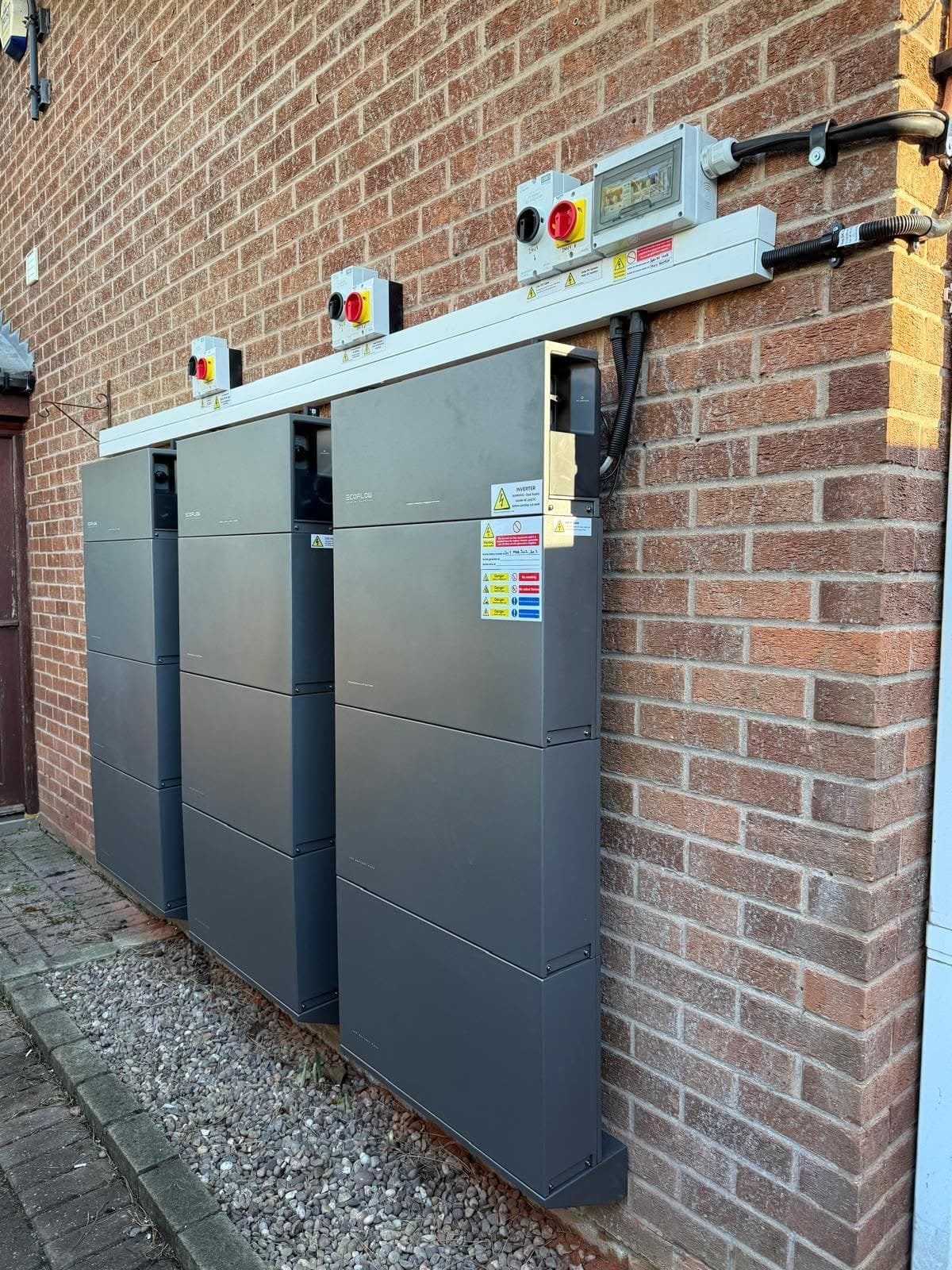
A battery moves electricity through the day, not through the seasons. In December the roof won’t fill it, but it can still earn its place. On a time-of-use tariff, a battery can charge when grid electricity is cheapest and run the house through the expensive hours. Our battery storage page explains how that works, and adding one to panels you already have is covered on our retrofit battery page.
Working out your own roof
The table is for one roof facing due south. Yours will differ with its direction, its pitch and anything that shades it, and a shaded roof in winter, with the sun low, loses more than the same roof in June. The roof studio runs the same PVGIS model against your own bill, and our page on why solar sets out where the argument for it holds and where it stops. If you want a survey, we cover Cheshire and North Wales, Merseyside and the Wirral and the south of Greater Manchester.