
Intelligent Octopus Go: what it needs from your home charger.
How Octopus Intelligent Go works with a home EV charger: the six-hour window, which chargers and cars it needs, and how it sits with solar and a battery.
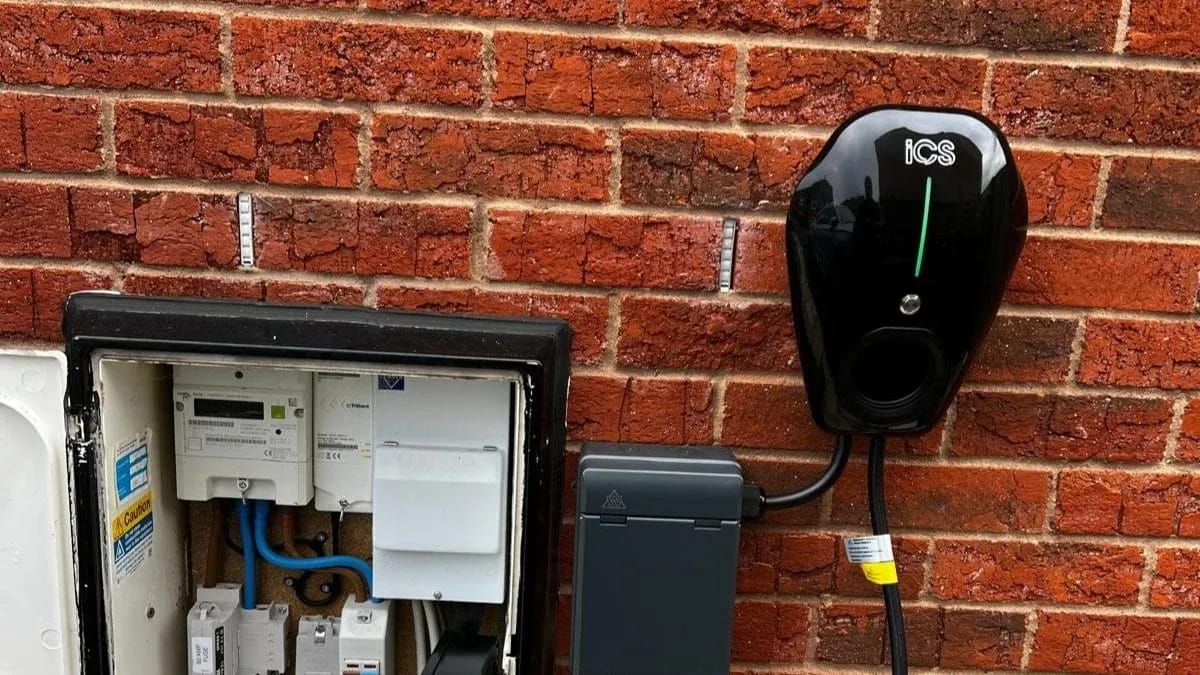
Intelligent Octopus Go is a smart EV tariff from Octopus Energy where Octopus schedules your car’s charging for you, and the whole home gets a cheaper rate for six hours every night, from 23:30 to 05:30. To join it you need a compatible car or a compatible home charger, because Octopus has to be able to talk to one of them. This guide covers what the tariff asks of your charger, which kit is supported according to the companies themselves, and how it sits alongside solar panels and a home battery.
What Intelligent Octopus Go is
Octopus describes it simply: once you are set up, it automatically schedules your charge for when it expects energy to be cheaper and often greener. You plug the car in, and Octopus decides when it actually draws power.
That is different from an ordinary time-of-use tariff, where you set the charger’s timer yourself. On Intelligent Octopus Go, Octopus is doing the scheduling, which is why the tariff needs a connection to either your car or your charger.
You will see it written both ways. Octopus calls it Intelligent Octopus Go; Hypervolt’s announcement calls it the Octopus Intelligent Go integration. It is the same tariff.
The six-hour window, for the whole home
The advertised cheap window is six hours, 23:30 to 05:30, and Octopus says it applies to the whole home, not just the car. So anything else that runs in those hours, from the washing machine on a timer to a home battery topping itself up, uses electricity at the same cheaper rate.
We are not going to quote rates here. Octopus changes them, and the current figures are on its own site.
What your car or charger needs
Octopus has to control the charging through one of two routes: the car, or the charger.
Through the car. Octopus says Tesla cars are supported. Octopus lists the supported car makes on its own help pages.
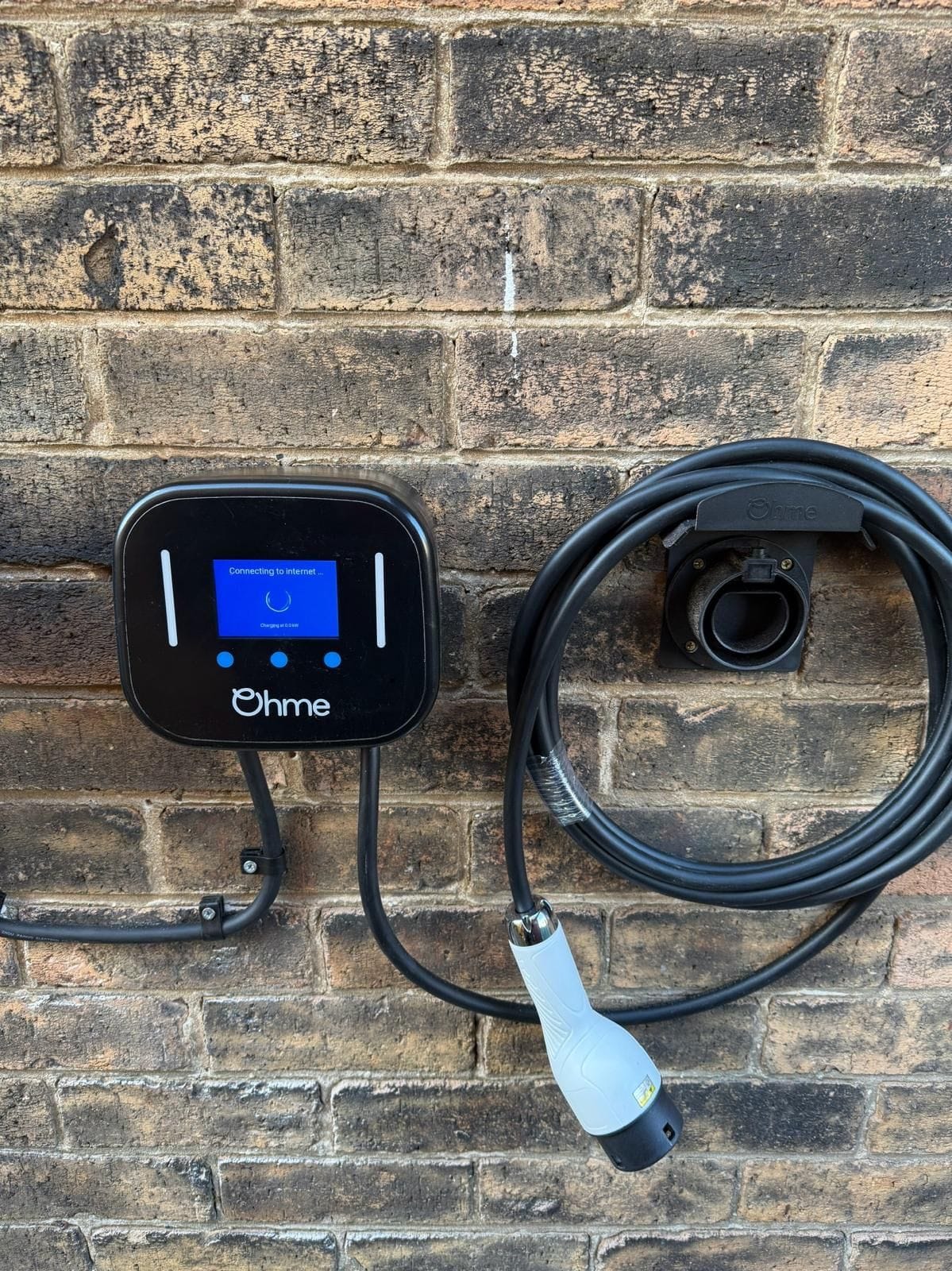
Through the charger. Hypervolt announced on its blog on 30 September 2024 that all Hypervolt Home 3 and Home 3 Pro customers can enable the Octopus Intelligent Go integration. That is Hypervolt’s statement; Octopus keeps its own list of the chargers it supports, so check Octopus’s current eligibility for your car and charger before you switch. Lists change as manufacturers add and drop integrations.
If neither your car nor your charger is supported, you cannot get the smart scheduling, and the tariff is not the right fit until one of them is. That is worth knowing before a charger goes on the wall. Our page on the Hypervolt charger and our Hypervolt Home 3 Pro guide cover the one we fit.
How it fits with the smart charging rules
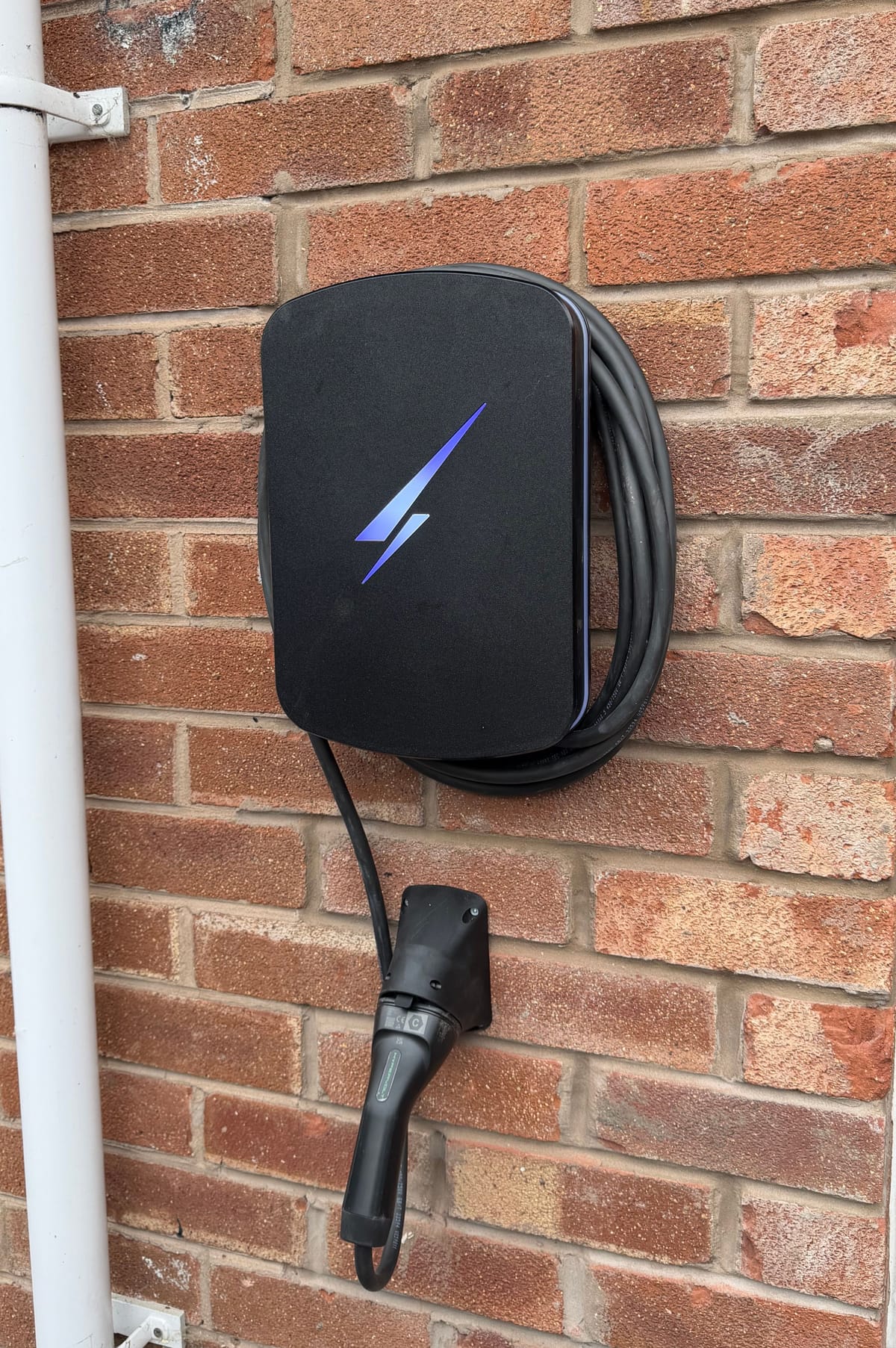
Every home charger sold in Great Britain has to meet the Electric Vehicles (Smart Charge Points) Regulations 2021. A few of those rules shape what you see:
- Default off-peak hours. A new charger arrives with pre-set charging hours outside peak times, which the regulations define as 8am to 11am and 4pm to 10pm on weekdays.
- You are in charge. The owner must be able to change or remove those defaults and override the default mode of charging, including demand-side response.
- A randomised delay. The charger applies a delay of up to 600 seconds by default, which the owner or user can override. It spreads out the moment chargers start drawing power.
On Intelligent Octopus Go the tariff does the scheduling, but those protections stay in place. If you need the car charged now, you can still say so.
Intelligent Octopus Go with solar panels
Solar and the tariff work at different times of day, so they can sit together rather than compete.
During the day, a solar-aware charger follows your roof. On a Hypervolt, Hypervolt publishes Eco, which puts solar and home battery energy first and holds a minimum of 1.4 kW so charging carries on, and Super-Eco, which uses only solar and home battery energy and draws nothing from the grid. A car parked at home on a sunny afternoon can soak up surplus that would otherwise be exported.
Overnight, the cheap window fills what is left. If the car came home at six with half a battery, the scheduled charge tops it up before morning.
The balance shifts with the season. In summer the roof may do most of the work; in winter, the night window does. How the charger’s own solar modes and the tariff’s scheduling hand over to each other is something we set up with you in the app when the charger goes in, so it behaves the way you expect. Our guide to charging an EV from your own solar goes into the solar side in detail.
Intelligent Octopus Go with a home battery
Because the cheap window covers the whole home, a home battery that charges between 23:30 and 05:30 is filling up at the cheaper rate, then running the house through the morning and evening.
How a battery is told to do that depends on the manufacturer:
- Fox ESS. FoxCloud 2.0 lists a Mode Scheduler among its work modes, alongside self-use, feed-in priority and back-up, and Fox mentions dynamic-tariff integration. That is the tool for setting the battery to charge at set times. There is more on our Fox ESS page.
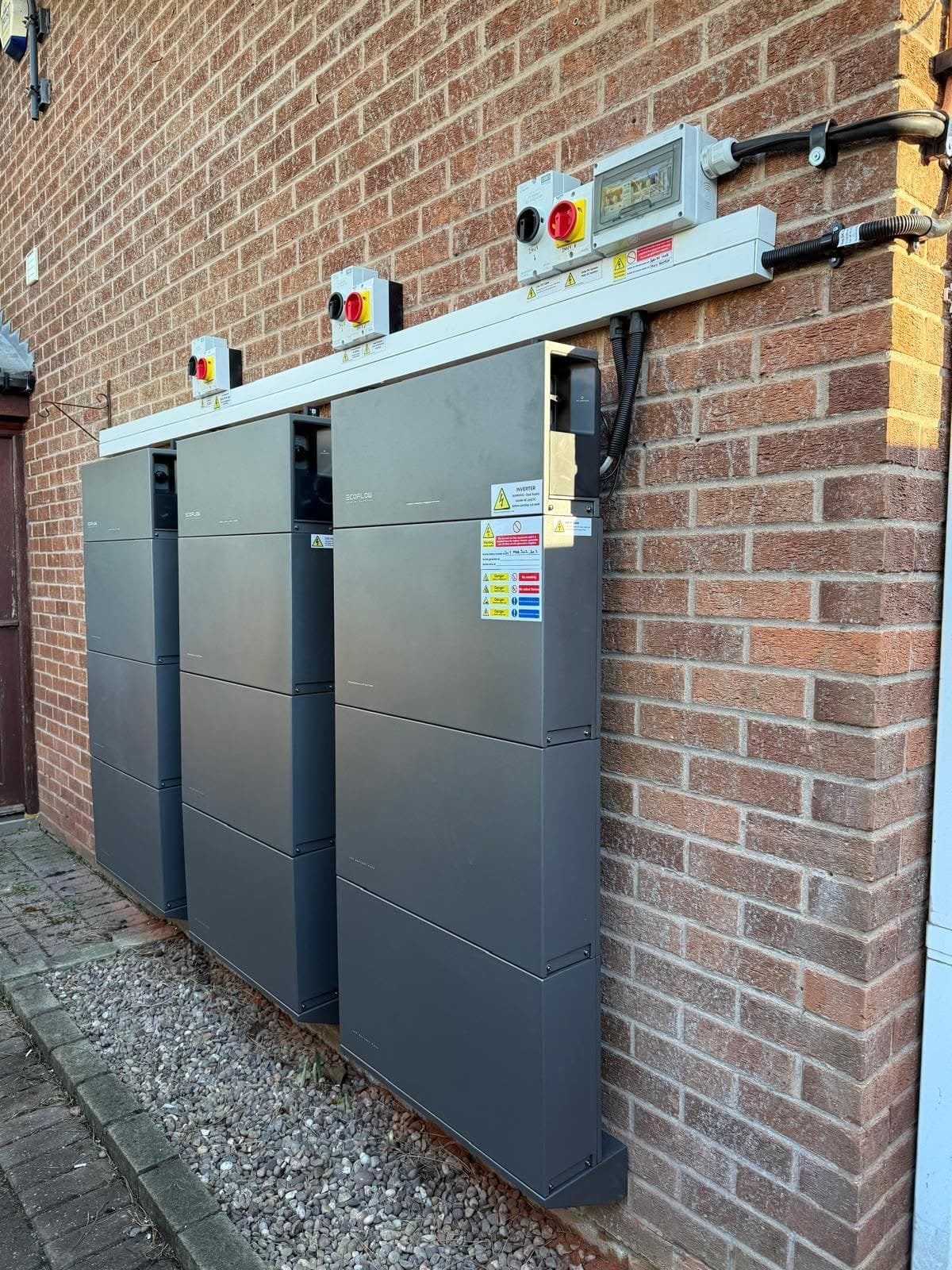
- EcoFlow PowerOcean. EcoFlow publishes a dynamic tariff dashboard that connects to Octopus Flux or Agile, with 24-hour tariff pricing. EcoFlow names those two tariffs, not Intelligent Octopus Go, so the battery would be scheduled for the window rather than linked to the tariff itself.
For any home battery, the question to ask is whether it can be set to charge at fixed times. Whether a particular battery links to Intelligent Octopus Go directly is one to check with Octopus and the battery’s maker, because we have not seen it stated for the systems above.
There is one more thing to set. If the car is charging overnight and the battery is set to discharge, the car can end up draining the battery instead of the grid. Hypervolt’s Battery-Safe mode pauses solar charging if the home battery starts to discharge by accident, and the battery’s own settings can stop it discharging while the car charges. We go through that with you.
What we’d do
Before you switch, we check that your car or charger is on Octopus’s current list. If it is the charger doing the talking, we fit it, set the clamp on your supply so load management and the solar modes work, and connect the app. If there are panels or a battery, we set the daytime solar mode and the battery’s schedule so the three work together rather than against each other. Then you join the tariff with Octopus directly.
EV chargers and batteries near you
Our EV charger installation and home battery storage pages cover both jobs in full. We fit chargers across the region, from Chester to Manchester, and on both sides of the Mersey.